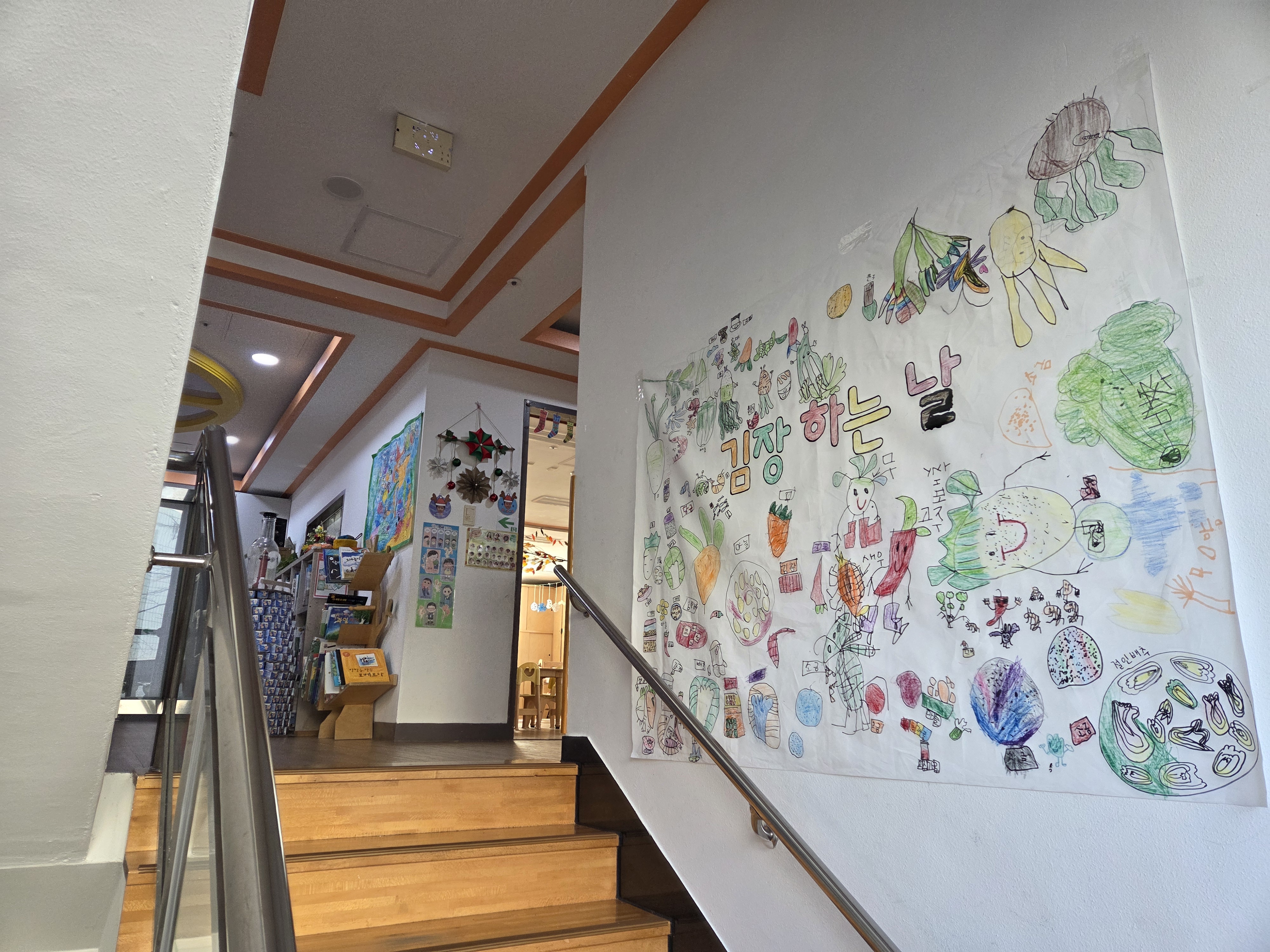
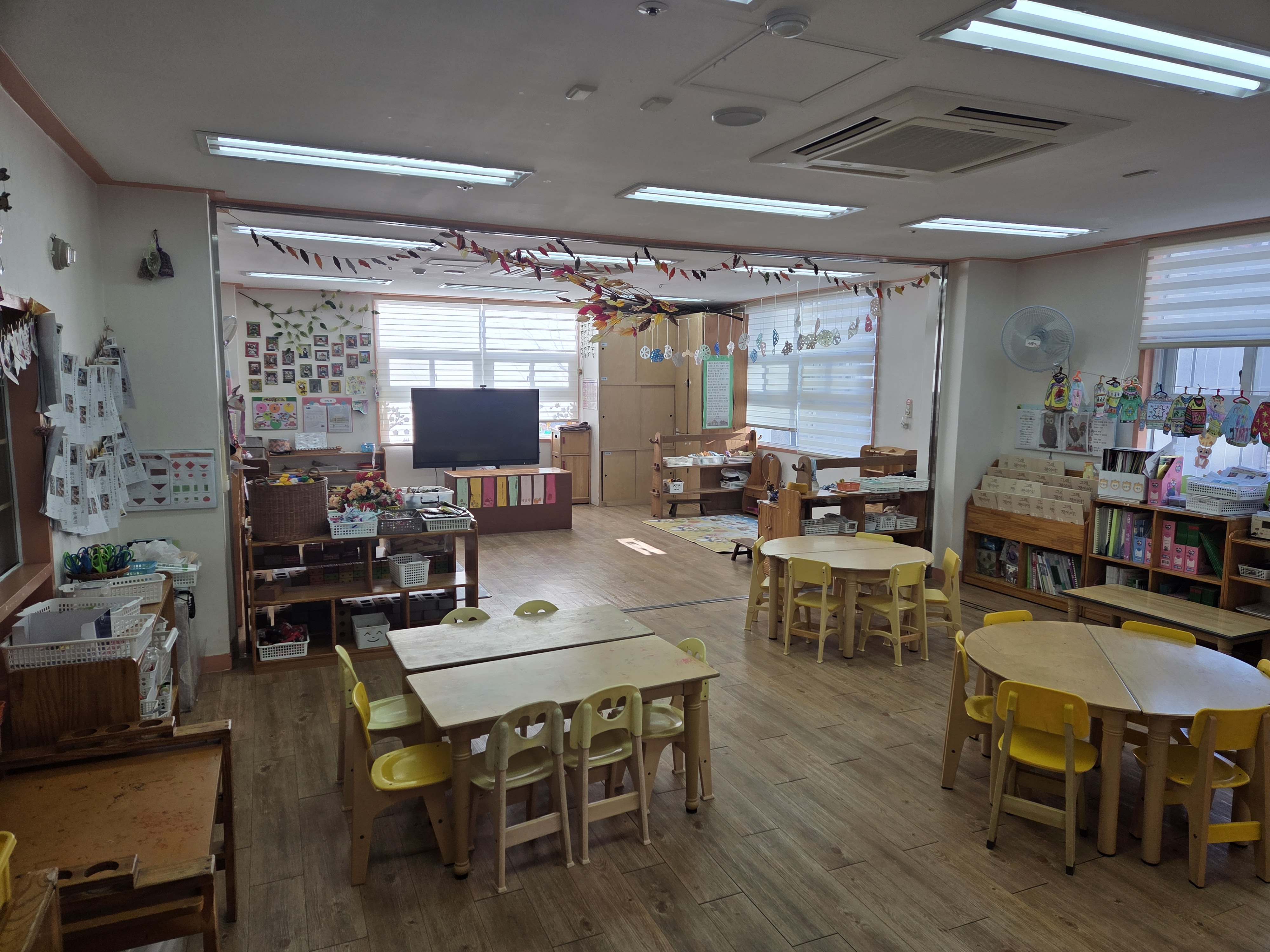
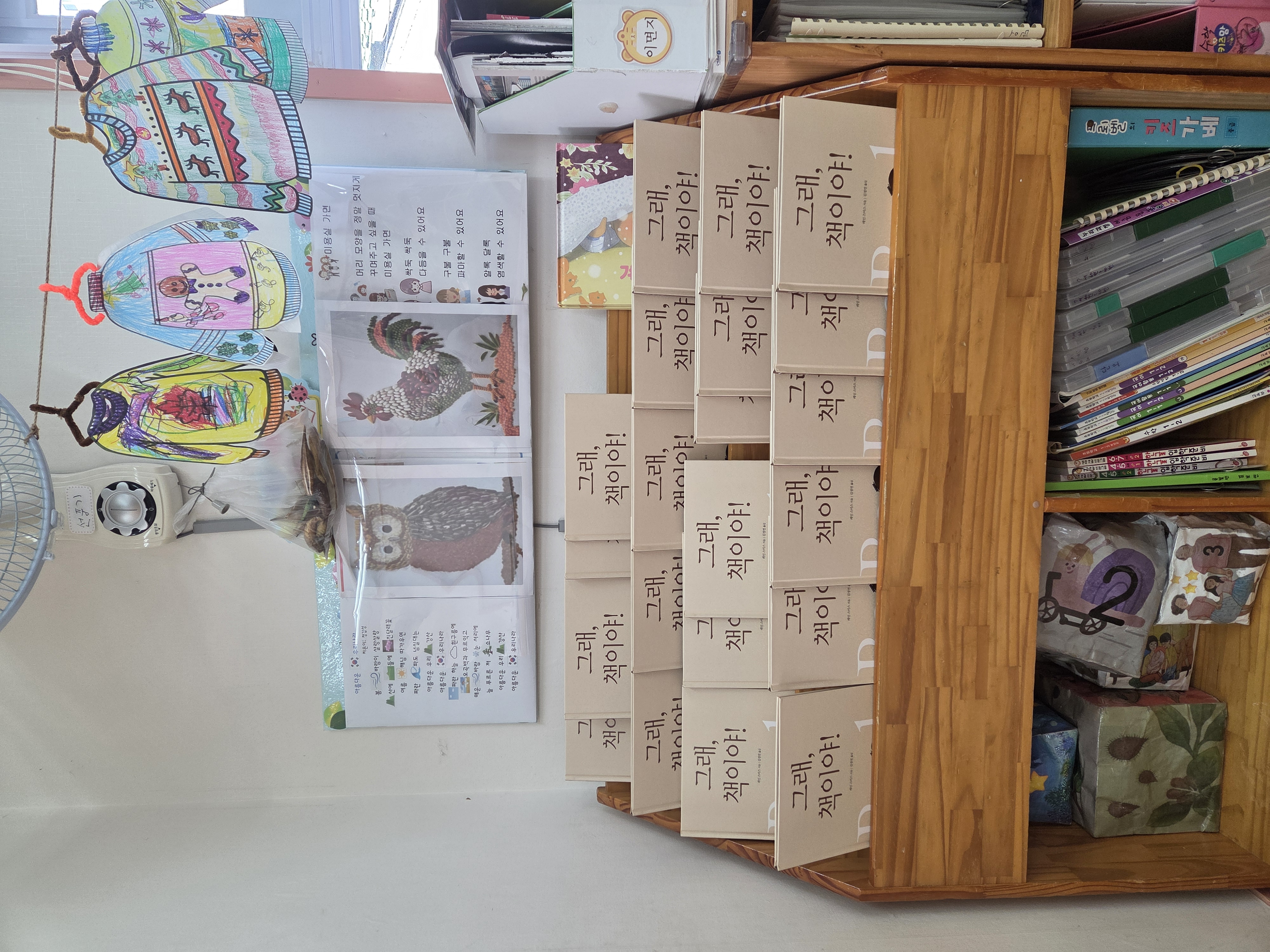
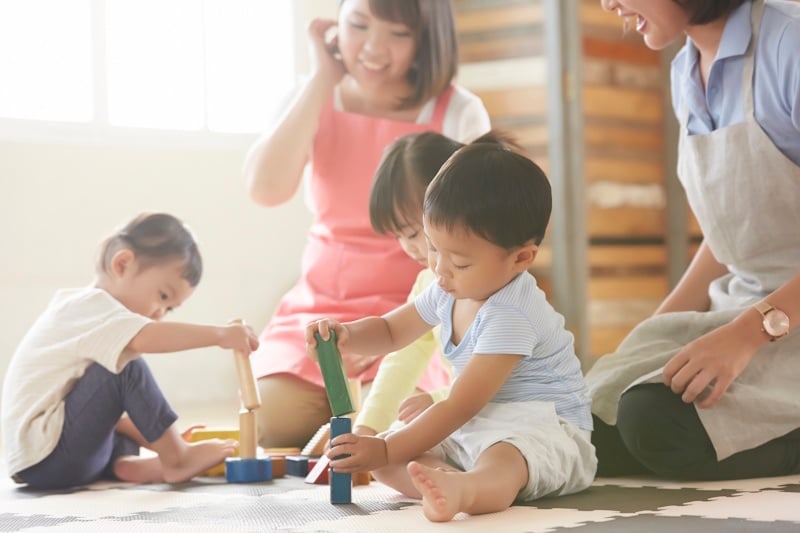
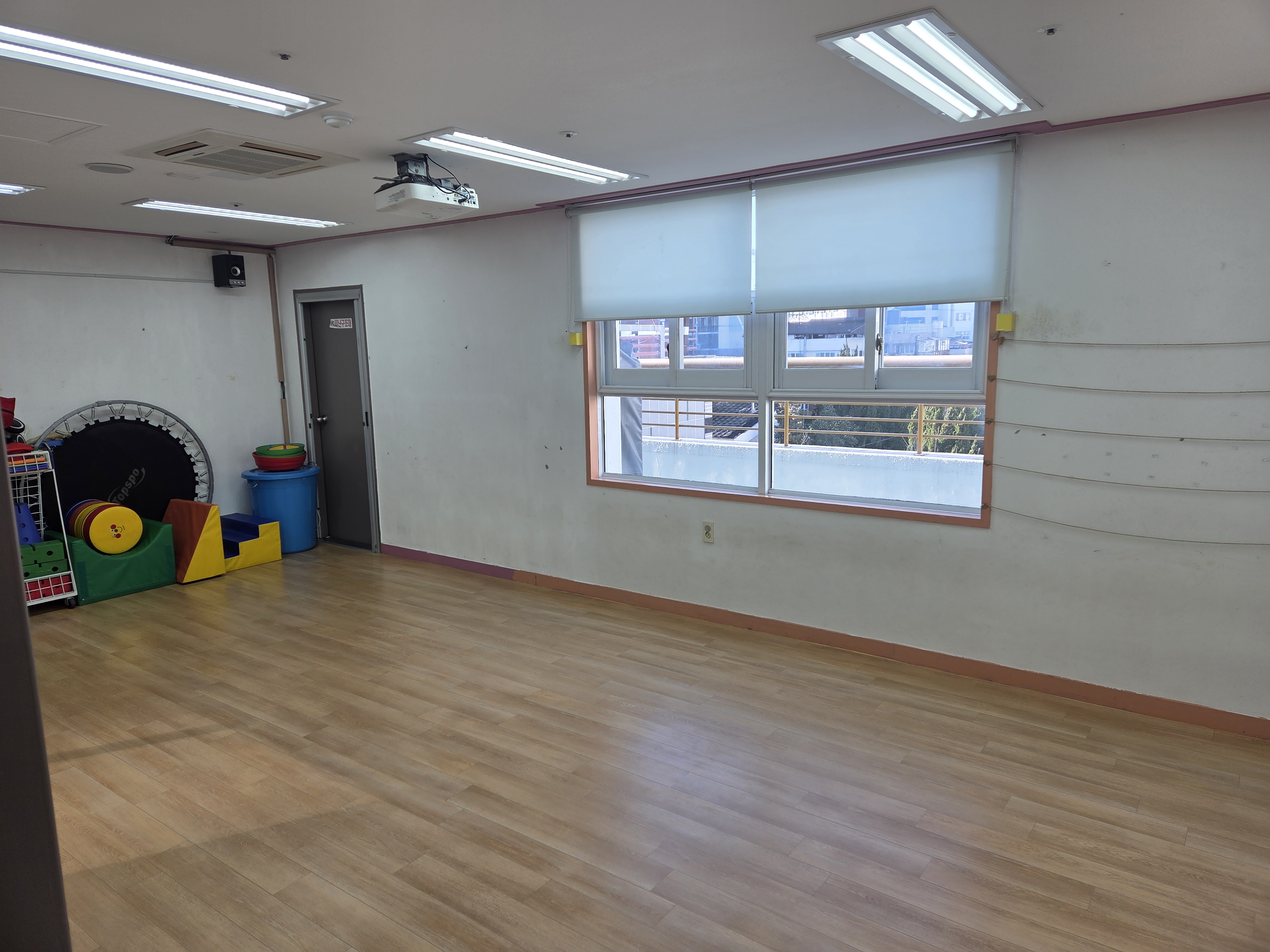
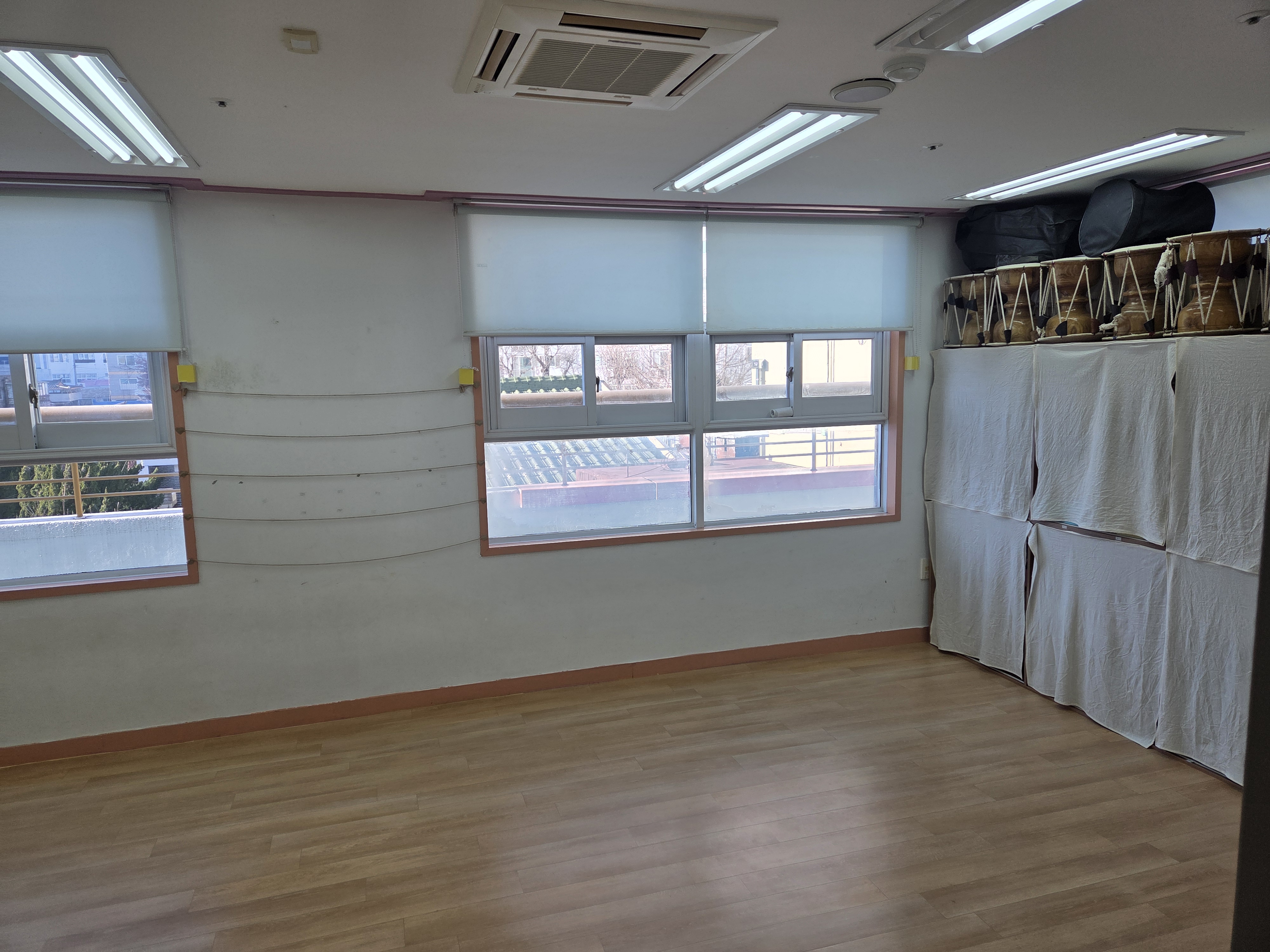
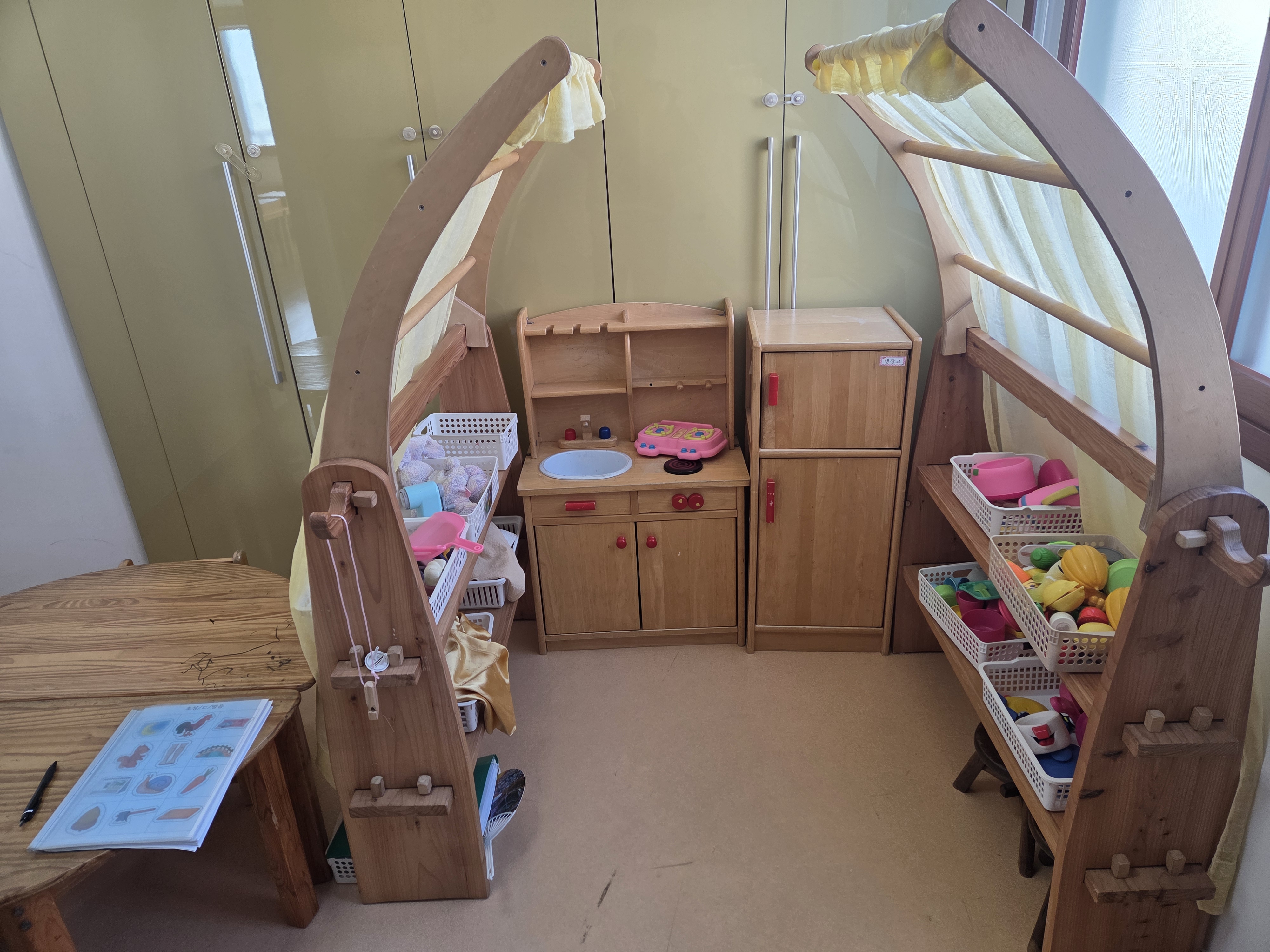
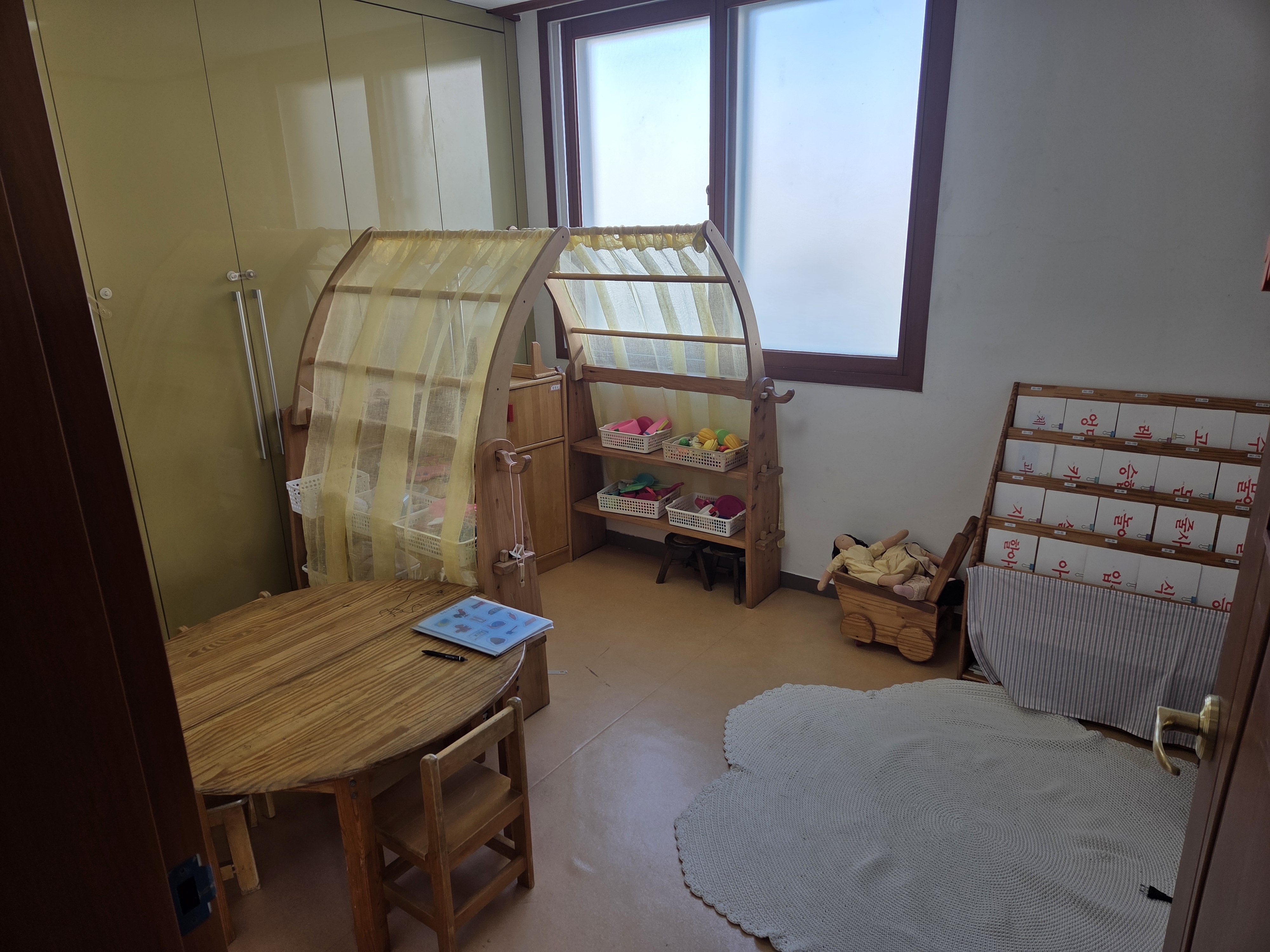
Magandang araw po sa ating mga minamahal na magulang, at sa ating mga munting sisiw! Ako po si Kim Tae-sook, ang direktor ng Piyok Daycare Center. Sa lugar na puno ng pag-asa tulad ng kumikinang na mga mata ng ating mga anak, lagi po kaming magiging isang mainit na tahanan kung saan ang ating mga anak ay malayang mangarap at masayang makapaglaro. Sa Piyok Daycare Center, iginagalang namin ang bawat anak bilang isang mahalagang indibidwal, at ginagawa namin ang lahat ng aming makakaya upang matiyak ang masayang pagkatuto sa isang komportable at ligtas na kapaligiran na parang sa tahanan. Kami po ay magiging isang matatag na katuwang na patuloy na nakikipag-ugnayan sa mga magulang upang bumuo ng tiwala para sa masayang paglaki ng ating mga anak. Sama-sama tayong lumikha ng masasayang alaala sa Piyok Daycare Center, na puno ng tawanan ng ating mga anak.
Ibinabahagi namin ang pang-araw-araw na buhay at mga balita ng aming pasilidad.
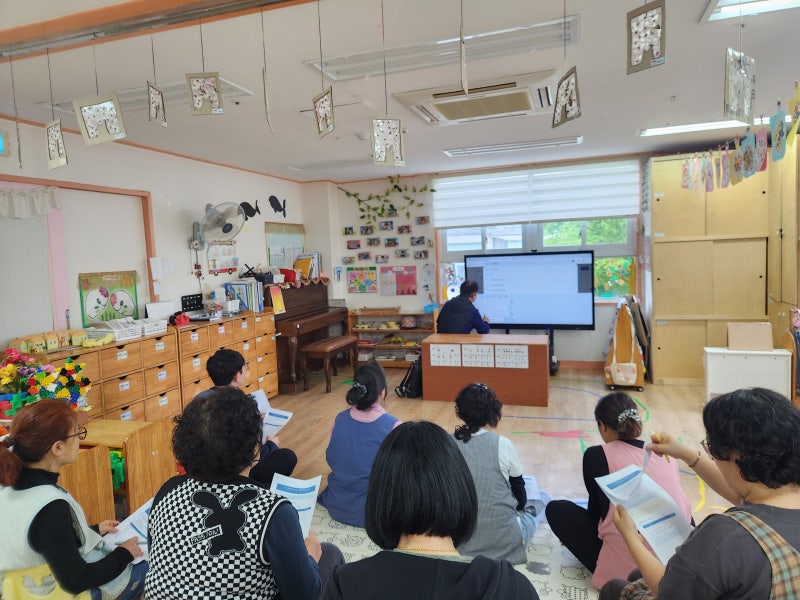
AI-Powered Teacher Learning Community
AI-Powered Teacher Learning Community
Sa pagharap sa mabilis na pagbabago ng digital transformation, ang Byungari Childcare Center ay magsasagawa ng [Curriculum AI Utilization Learning Community] upang maayos na maipakilala ang AI sa larangan ng pag-aalaga at mapalakas ang mga kakayahan ng mga guro para sa hinaharap.
Nam-gu Piyok Daycare Center, 3 Bagay na Dapat Tiyakin ng mga Magulang Kapag Pumipili ng Public Daycare Center
Ang paghahanap ng daycare center na mapagkakatiwalaan ng mga magulang ay isang karaniwang hangarin ng lahat ng magulang. Ito ay lalong nagiging mahalaga para sa mga mag-asawang parehong nagtatrabaho.
Ang Nam-gu Piyok Daycare Center, na matatagpuan sa Nam-gu, Daegu, ay isang public daycare center at nakakakuha ng maraming interes mula sa mga magulang.
Gayunpaman, mahalagang maingat na suriin ang ilang mahahalagang bagay sa halip na basta na lamang magdesisyon batay lamang sa titulong "public daycare center."
Sa artikulong ito, ipapakita namin ang 3 pangunahing punto na dapat malaman ng mga magulang kapag pumipili ng public daycare center, kasama na ang Nam-gu Piyok Daycare Center, gamit ang datos. Hindi lamang namin ililista ang mga kalamangan, kundi tatalakayin din namin ang mga praktikal na konsiderasyon kasama ang obhetibong impormasyon.
1. Public Daycare Center, Maingat na Suriin ang 'Operating Philosophy'
Bilang isang public daycare center na tumatanggap ng suporta mula sa gobyerno, mas mahigpit ang mga pamantayan sa operasyon nito kumpara sa mga ordinaryong pribadong daycare center.
Gayunpaman, hindi lahat ng public daycare center ay nagbibigay ng parehong kalidad ng serbisyo sa edukasyon at pag-aalaga.
Ang mahalaga ay ang 'operating philosophy' ng daycare center. Halimbawa, si Director Kim Tae-sook ng Nam-gu Piyok Daycare Center ay aktibo sa Daegu Metropolitan City Public Daycare Center Association at nagsisikap na magbigay ng pagsasanay sa kakayahan ng mga kawani bilang paghahanda sa pag-iisa ng childcare at edukasyon (YuBo-tonghap).
Ito ay isang malinaw na halimbawa ng patuloy na pagsisikap na mapabuti ang kalidad ng daycare center.
Gayunpaman, sa halip na umasa lamang sa ganitong impormasyon, mas mainam para sa mga magulang na personal na bisitahin ang daycare center at kumpirmahin ang operating philosophy sa pamamagitan ng pakikipag-usap sa direktor. Dapat silang magtanong kung naglalayon ba sila ng personalized na edukasyon na isinasaalang-alang ang mga indibidwal na katangian ng mga bata, at kung nagpapatakbo sila ng mga programa para sa emosyonal na katatagan at pag-unlad ng mga bata, at kumpirmahin ito sa pamamagitan ng mga sagot.
Hindi masasabing magandang daycare center lamang dahil maganda ang pasilidad at marami ang programa.
Mahalagang pagpasyahan kung ang operating philosophy ay makakaapekto nang positibo sa paglaki at pag-unlad ng bata.
2. Ang 'Guro' ang Susi sa Pagpili ng Daycare Center
Kahit na ang isang daycare center ay may magandang pasilidad at programa, ang mga guro pa rin ang may pinakamalaking impluwensya sa mga bata.
Ang positibo at mainit na relasyon sa guro ay gumaganap ng mahalagang papel sa pag-unlad ng sosyal na kakayahan at emosyonal na katatagan ng bata.
Sa kaso ng Nam-gu Piyok Daycare Center, ito ay pinapatakbo mismo ni Director Kim Tae-sook, isang childcare expert na may mahabang karanasan, at mayroon siyang Class 1 Childcare Teacher certification. Ito ay isang indikasyon ng propesyonalismo ng daycare center.
Gayunpaman, hindi mo malalaman ang tunay na intensyon ng guro sa pamamagitan lamang ng karanasan at sertipikasyon.
Halimbawa, mahalagang personal na obserbahan kung paano nakikipag-ugnayan ang mga guro sa mga bata kapag bumibisita sa daycare center, at kung gaano sila nakikinig sa maliliit na kwento ng mga bata.
Ang guro na nakikipag-usap at nakikipagtawanan sa mga bata sa kanilang antas, at nagbibigay ng mainit na paghihikayat sa mga nahihirapan, ay ang tunay na guro na nagmamahal sa bata.
Bukod dito, ang haba ng serbisyo ng mga guro ay isang mahalagang konsiderasyon.
Ang mataas na turnover rate ng mga guro ay nangangahulugan na ang kapaligiran sa trabaho ay hindi maganda, na maaaring negatibong makaapekto sa matatag na pag-angkop ng mga bata.
3. Public Daycare Center Application, Praktikal na 'Gastos' na Isyu
Ang public daycare center ay may kalamangan na mas mura kaysa sa mga ordinaryong pribadong daycare center sa pamamagitan ng suporta ng gobyerno.
Gayunpaman, hindi lahat ng gastos ay libre. Maaaring may mga karagdagang gastos tulad ng bayarin sa pagkain, bayarin sa espesyal na aktibidad, at bayarin sa transportasyon.
Bukod dito, dahil ang mga subsidyo para sa public daycare center ay maaaring mag-iba depende sa antas ng kita, mahalagang kumpirmahin ang eksaktong gastos bago mag-apply.
Halimbawa, kailangan mong kumpirmahin ang eksaktong halaga ng subsidyo at mga karagdagang gastos sa pamamagitan ng direktang pagtatanong sa daycare center o sa mga kaugnay na ahensya.
Mahalaga rin na ihambing ang mga gastos sa iba pang public daycare center sa paligid upang makagawa ng makatwirang pagpili.
Bagaman ang gastos ay isang mahalagang konsiderasyon, sa halip na pumili lamang ng pinakamurang lugar, mahalagang isaalang-alang ang kalidad ng edukasyon at pag-aalaga.
2026 Childcare Support Fund Summary (Parent Benefit, Child Allowance, etc.)
[Notice] 2026 Childcare Support Fund Summary (Parent Benefit, Child Allowance, etc.)
Hello! The year 2026 has arrived.
One of the most important pieces of information for parents raising children is the government's support system.
This year, as part of the low birth rate measures, there are many significant changes, such as the expansion of the age for child allowance and the increase in the upper limit of parental leave benefits.
We will summarize the key childcare support funds that have changed as of 2026, such as Parent Benefit, Child Allowance, and First Meeting Voucher, in an easy-to-understand format.
1. Parent Benefit (Ages 0-1)
The Parent Benefit is a subsidy provided to compensate for income loss due to childbirth and childcare. The amount increased in 2024 will be stably maintained in 2026.
Target Audience: Children aged 0 (0-11 months) and 1 (12-23 months)
Benefit Amount:
Age 0: 1,000,000 KRW per month
Age 1: 500,000 KRW per month
Note: If using a daycare center, it will be deducted from the childcare voucher, and the difference will be paid in cash.
2. Child Allowance (Payment Age Expanded! 📢)
The most noticeable change in 2026 is the expansion of the payment age. It has been expanded one step further from the previous age of under 8 years old.
Target Audience: All children from 0 months to under 9 years old (0-107 months)
Benefit Amount: 100,000 KRW per month
Additional Benefits by Region: Starting in 2026, if you reside in a non-metropolitan area or a region with a declining population, an additional 30,000 KRW may be provided by the local government, so be sure to check the announcements of your local government.
Features: Universally provided regardless of parents' income or assets.
3. First Meeting Voucher (Childbirth Support Fund)
A voucher provided to celebrate the first meeting with your child.
First child: 2,000,000 KRW
Second child or more: 3,000,000 KRW
Where to Use: Postpartum care centers, purchase of baby products, etc. (Available at all stores except for entertainment establishments)
Usage Period: Within 2 years from the child's birth date (extended from the previous 1 year)
4. Parental Leave and Reduced Working Hours Benefits (Increased! 📈)
In 2026, the benefit levels have been adjusted to support work-life balance.
Parental Leave Benefit: The upper limit has been increased, providing more substantial support even after the first 3 months.
6+6 Parental Leave System: If parents with children under 18 months old take leave simultaneously or sequentially, they can receive benefits of up to 45 million KRW for the first 6 months combined.
Reduced Working Hours During Childcare Period: The upper limit of the benefit has been increased from 2.2 million KRW to 2.5 million KRW.
💡 2026 Childcare Support Fund Summary Table
Category
Target Audience
Benefit Details
Parent Benefit
Ages 0-1
Age 0: 1 million KRW / Age 1: 500,000 KRW
Child Allowance
Under 9 years old
100,000 KRW per month (+ possible regional additional benefits)
First Meeting Voucher
Newborn child
1st child: 2 million KRW / 2nd child or more: 3 million KRW
Childcare Support
Below 250% of median income
Increased government support ratio and hours
📌 How to Apply
Most childcare support funds can be easily applied for online through the 'Bokjiro' website or **'Government24'**. When registering the birth, use the **'Happy Birth One-Stop Service'** to apply for child allowance, parent benefit, etc. all at once, so don't forget to take advantage of it!
Link to Bokjiro:
In 2026, the period for receiving child allowance benefits will be extended, which is expected to slightly reduce the burden on parents of young elementary school children. Please check the support funds carefully to ensure you don't miss any benefits!
Peace of Mind Parenting, Perfect Guide to Daycare Consultations: Building a Collaborative Partnership Between Parents and Teachers
Peace of Mind Parenting, Perfect Guide to Daycare Consultations: Building a Collaborative Partnership Between Parents and Teachers
Choosing a daycare center where you can entrust your child is a crucial task for all parents. Daycare consultations are more than just a time to tour facilities and ask questions; they are the first step in building a collaborative partnership between parents and teachers for the child's growth and development. The information obtained through consultations is essential for helping the child adapt and creating a consistent upbringing environment between home and daycare. From the perspective of an observer following trends, this guide presents ways to achieve peace of mind parenting by effectively utilizing daycare consultations.
Preparation Before Consultation: Understanding Our Child
Successful consultation requires a deep understanding of the child first. It is important to identify and organize the child's temperament, developmental stage, likes and dislikes, and any special needs in advance. For example, it is advisable to keep detailed records of whether the child has difficulty adapting to new environments, has allergies to certain foods, or what their favorite play activities are. This information serves as important material for introducing the child to the teacher during the consultation and establishing a personalized care plan. Additionally, preparing a list of questions about what you have been curious about or worried about regarding your child can help you utilize the consultation time efficiently.
Question Strategy During Consultation: Obtaining Information Through Key Questions
During the consultation, you should ask questions about various aspects such as the daycare center's operating methods, educational philosophy, teacher qualifications, and safety management system. It is important to thoroughly check if they provide educational programs suitable for the child's developmental stage, if the teacher-to-child ratio is appropriate, and what the procedures are for responding to emergencies. Furthermore, important questions include whether there are programs to foster the child's social development and activities to support peer relationships, and whether they use educational methods that enhance the child's self-esteem through positive reinforcement. Don't forget to check if there is a support system that can meet the child's individual needs.
Communication After Consultation: Maintaining a Continuous Partnership
Consultation is not a one-time event but the beginning of communication that should continue throughout the child's growth process. After the consultation, it is important to maintain regular contact with the teacher, share information about the child's daycare life, and align the parenting methods at home with the educational methods at the daycare center. Utilizing tools like Kid's Note or notification slips to share photos of the child's activities or observation records, and discussing behavioral problems or special circumstances with the child through phone calls or meetings when necessary, can be helpful. For example, if a child is experiencing difficulties in their relationship with a particular friend, it is advisable to work with the teacher to find solutions and encourage and support the child at home.
Maintaining a Positive Attitude: The Key to Building Trust
The most important aspect during the consultation process is building trust between parents and teachers. It is essential to maintain a positive and cooperative attitude, respect the teacher's professionalism, and treat the teacher as a partner working together for the child's growth. A critical or defensive attitude can hinder communication and impede the formation of a trusting relationship. It is necessary to have an attitude of listening to the teacher's opinions, trying to understand each other's perspectives, and finding the best way for the child's growth together.
Daycare consultations are an investment for the child's happy growth and development. Based on the information obtained through consultations, parents should provide the most suitable daycare environment for the child and support the child in maximizing their potential through close cooperation with the teachers. Peace of mind parenting, created together by parents and teachers through daycare consultations, will serve as a solid foundation for the child's bright future.
#DaycareConsultation, #CurrentStudentConsultation, #NewStudentConsultation, #ConsultationQuestions, #ParentAttitude, #ParentingPartner, #DaycareAdaptation, #CollaborativePartnership, #PeaceOfMindParenting, #InfantEducation
A to Z Guide for Preparing Your Child's First Day at Daycare: Tips to Reduce Trial and Error
A to Z Guide for Preparing Your Child's First Day at Daycare: Tips to Reduce Trial and Error
The start of a child's first social life is the first day at daycare! Like many parents, I also felt overwhelmed when the time came, wondering, 'What should I prepare?' While I desperately wanted to be perfectly prepared, reality is full of unexpected variables. That's why today, based on my own trial and error, I've prepared a guide for your child's first day at daycare to help you reduce mistakes. Let's learn together with the heart of a mother who learns from mistakes rather than aiming for perfection!
1. Managing Emotions: Preventing Mom's Anxiety from Affecting the Child
The first day at daycare is more nerve-wracking for the mom than the child! I was the same. Worries like 'What if they cry?', 'Will they eat well?', 'Will they get along with friends?' constantly swirled in my head. However, anxious parental emotions are directly transmitted to the child! The child can feel insecure and become more withdrawn by sensing the mother's facial expressions, tone of voice, and actions.
Trial and Error Experience: On the first day of daycare, I took my child with a tense expression. I forced a smile when saying goodbye, saying, "Have fun!" but my child seemed to sense my anxious gaze and cried more intensely than usual.
Solution: First, try to relax your mind. It's important to have faith that your child will adapt well to daycare and to prepare for daycare with a positive mindset. For example, talking positively about daycare with your child or reading picture books about daycare life can be good methods. Also, consistent communication with the daycare teacher to understand the child's adaptation status and receive necessary help is important.
2. Cultivating Daily Habits: Regular Routines are the First Step to Adaptation
Daycare is a place where children live according to a set schedule. Therefore, it is important to cultivate regular daily habits for the child to adapt well to daycare life. In particular, maintaining consistent wake-up times, meal times, and nap times is helpful.
Trial and Error Experience: Trying to wake up a child who usually sleeps late suddenly in the morning turned into a daily battle. Preparing for daycare became even more difficult because the child was irritable and didn't eat properly.
Solution: Gradually adjust the daily routine starting at least two weeks before daycare begins. Start by advancing wake-up and meal times by 30 minutes, and gradually align them with the daycare schedule. Taking a warm bath before bed or listening to calming music can also help with sleep. During meal times, prepare the child's favorite dishes and create a pleasant atmosphere by sitting together at the table.
3. Nurturing Social Skills: Preparing for Fun Encounters with Peers
Daycare is the first place where children live together with their peers. Therefore, it is important to foster social skills so that children can build positive relationships with friends. It is good to create opportunities for children to play with friends at home or help them naturally interact with other children at the playground.
Trial and Error Experience: My child, who was shy, had a hard time approaching friends at daycare and seemed lonely, just playing by themselves. The teacher said the child only reads books during break time.
Solution: Provide various experiences for your child to build positive relationships with peers. For example, going to a nearby playground to play with other children or inviting friends over to spend time together are good options. Role-playing games can also help teach children how to communicate and cooperate with friends. The important thing is to let the child feel the joy of being with others.
4. Preparing Supplies: Thoroughness Leads to a Comfortable Daycare Experience
Carefully preparing the necessary supplies for daycare is essential for a child's comfortable daycare experience. Check the list of required items for daycare in advance and, with your child...
Boost Creativity! Play Activity Ideas You Can Do at Home
Boost Creativity! Play Activity Ideas You Can Do at Home
Spending time with children at home can be both enjoyable and challenging. This is especially true on days or situations where outdoor activities are difficult. But don't worry! With a little imagination and a little preparation, you can enjoy various play activities at home that stimulate your child's creativity and imagination. This article introduces play activity ideas that you can enjoy with your child using materials easily found at home. Let's start now with plays that are budget-friendly and beneficial for your child's development!
The World of Play with Books: Stimulating the Five Senses
Instead of just reading books, linking play to the content of the book can increase the child's engagement and comprehension. For example, after reading a picture book about their favorite animal, you can create masks of that animal. Or, reading a book about cooking and doing a simple cooking activity together is also a good idea.
The key here is to encourage the child's active participation in the play process. When the child colors and decorates the mask themselves, or handles and mixes the cooking ingredients, they feel joy and express their creativity. Transforming indirect experiences gained from books into direct experiences through play has a positive impact on the child's development.
Full Imagination Power! Endless Transformations with Cardboard Boxes
Using commonly found cardboard boxes at home can lead to endless play possibilities. A large cardboard box can become the child's own cozy space, a 'my own house,' and smaller boxes can be stacked like blocks to create a magnificent castle. Activities like drawing or pasting colored paper on cardboard boxes enhance the child's artistic sense.
If your child likes cars, you can cut out a car shape from a cardboard box and draw wheels to create a special car just for them. Adding a steering wheel or horn made from scrap materials can make the car even more realistic. Cardboard box play stimulates the child's imagination and creativity, while also being a beneficial activity that instills an awareness of environmental protection through recycling.
Let's Play with Our Bodies! Exciting Physical Play
You can enjoy exciting physical play even indoors. You can create an obstacle course using cushions or pillows, and let the child jump over or crawl through the course. Adding elements like timing or competing to see who finishes the course faster will make the child more interested and actively participate.
Alternatively, you can play by dancing freely to music or following simple dance routines. Moving your body to upbeat music helps relieve the child's stress and improves rhythm and motor skills. Indoor physical play allows for active time even in small spaces.
Best Value! Tips for Using Household Materials
The biggest advantage of playing at home is that you can have a lot of fun with just a small budget. You can mix flour and water to make dough and create various shapes with your child. Adding food coloring to the dough can make the play even more engaging for the child.
Alternatively, you can take out clothes from the closet and have a fashion show, or roll up towels to make pillows and play catch. The important thing is not expensive toys or materials, but the parent's attention and love spent with the child. With a little imagination and a little effort, you can create unforgettable memories for your child at home.
Play, More Than Just Play
Play activities with children at home are not just a way to pass the time, but educational activities that significantly impact a child's development. Through play, children can develop various skills such as creativity, imagination, problem-solving, social skills, and emotional regulation. Furthermore, the parent's involvement...