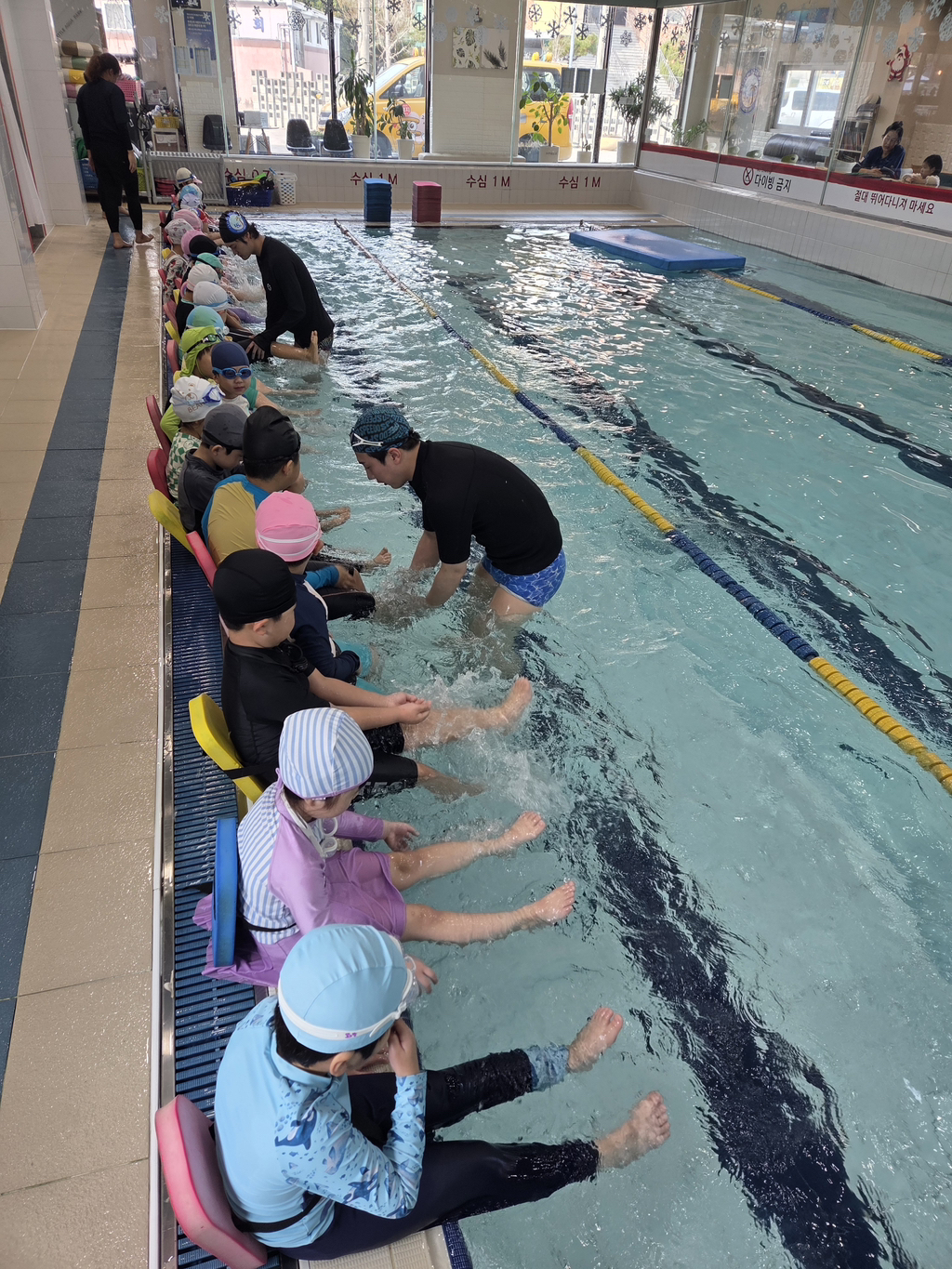
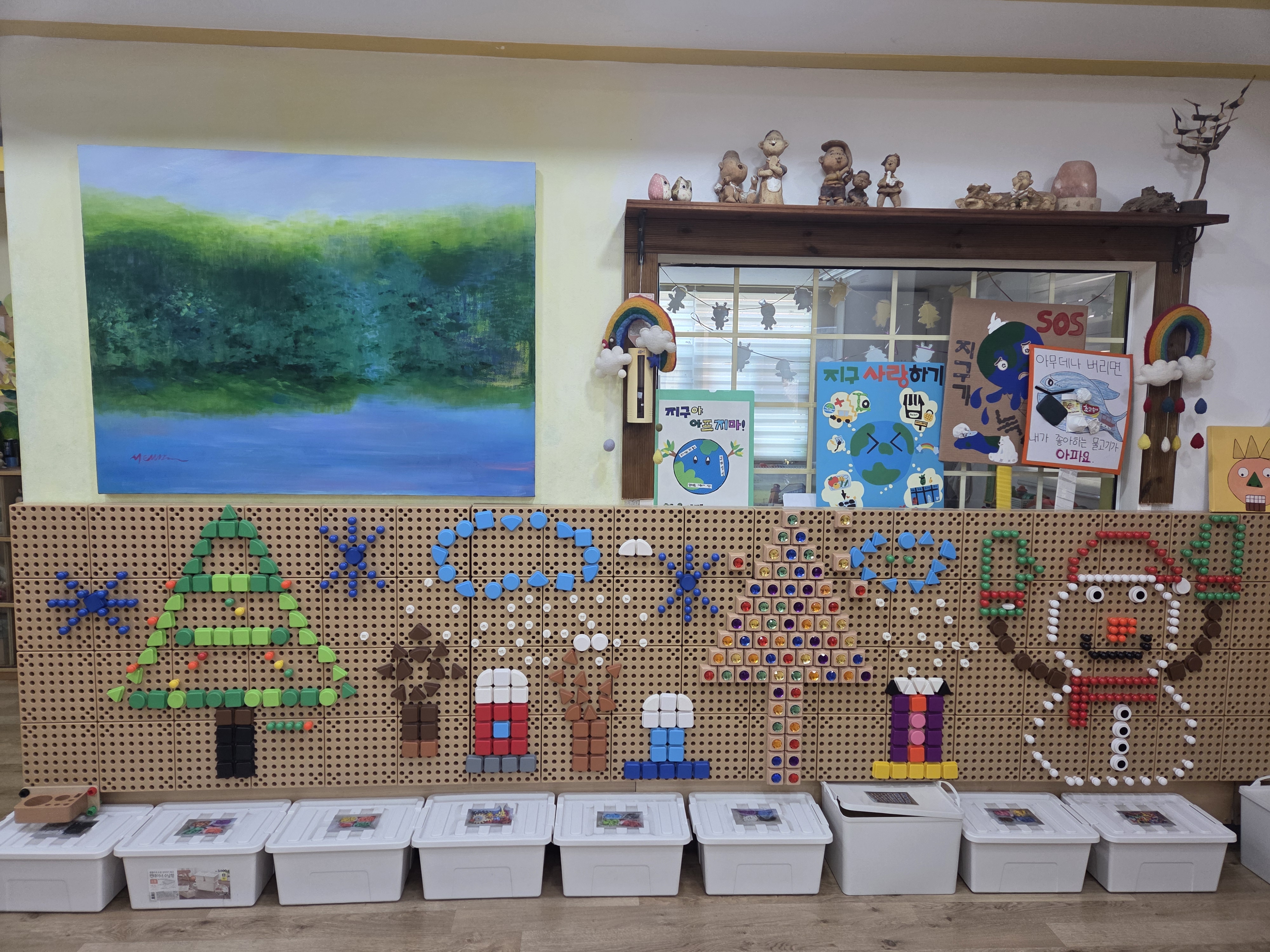
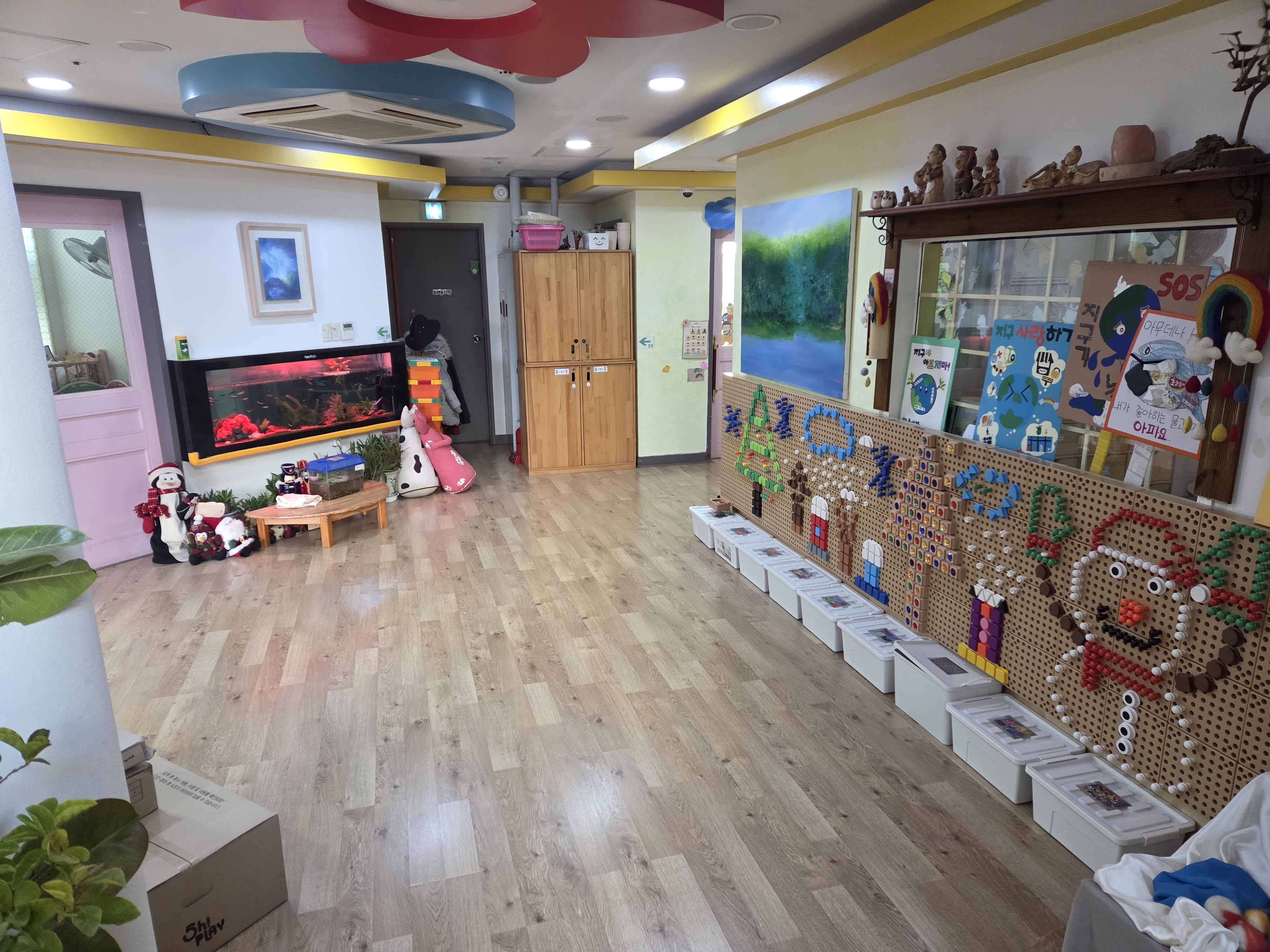
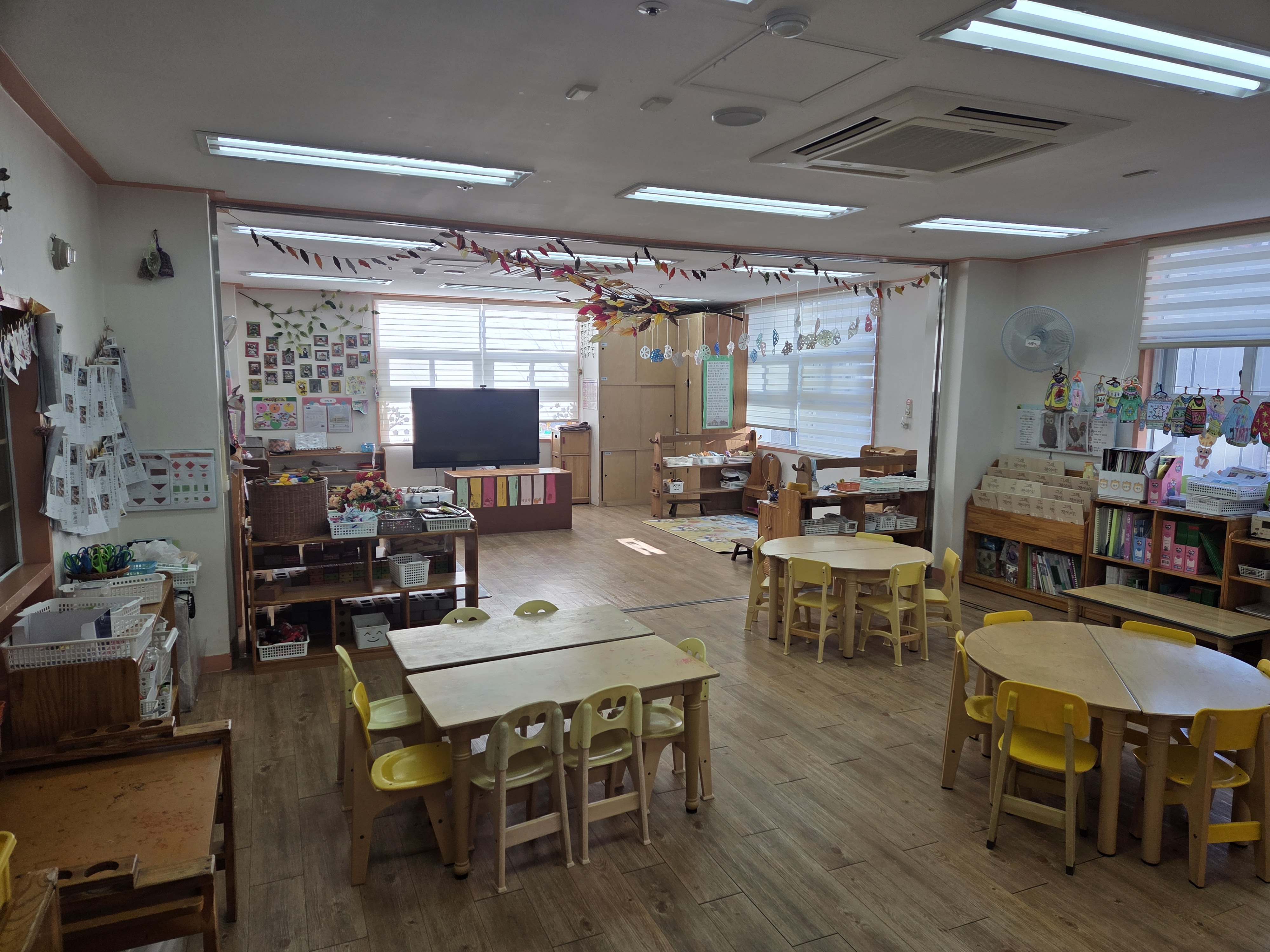
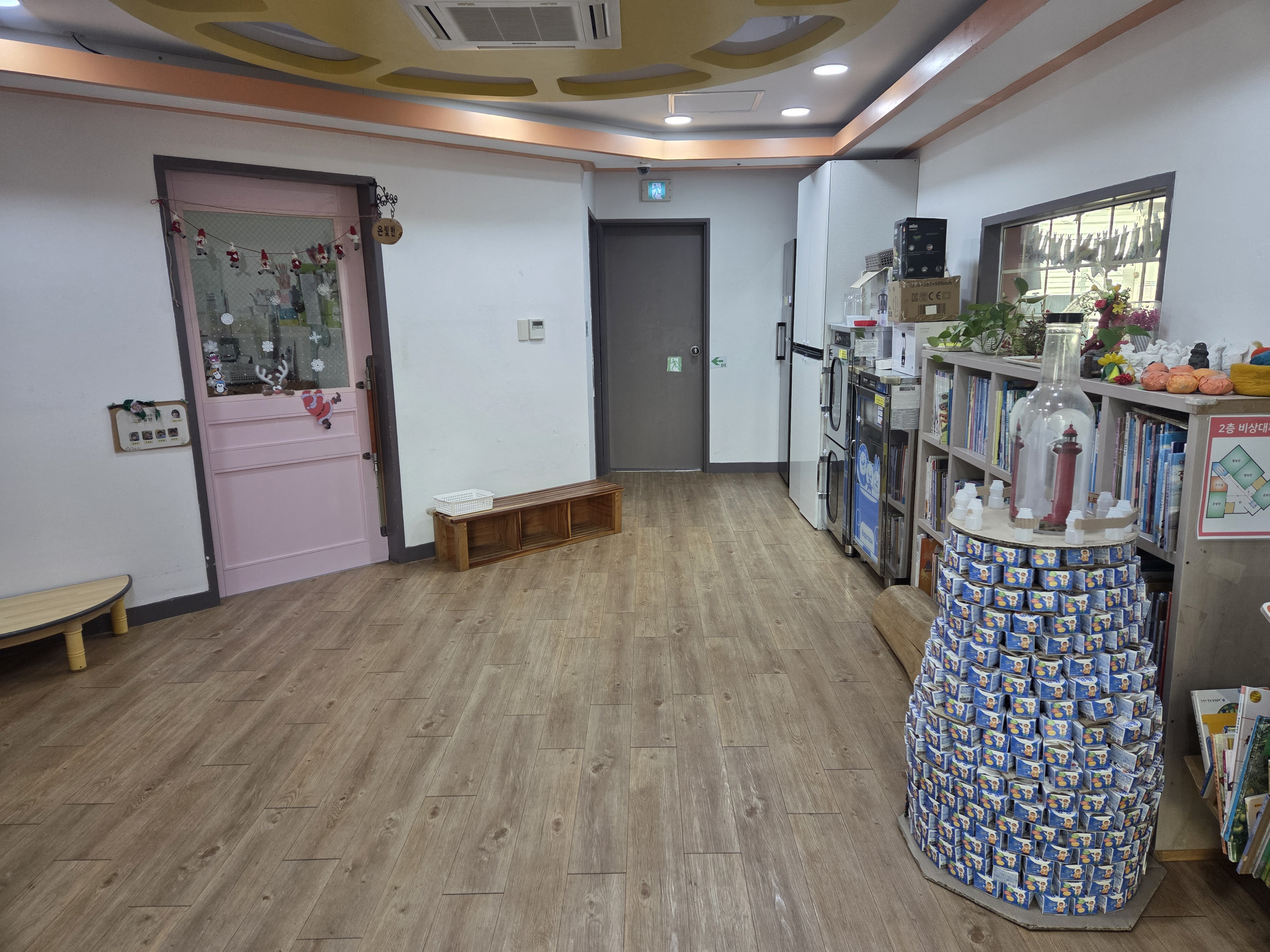
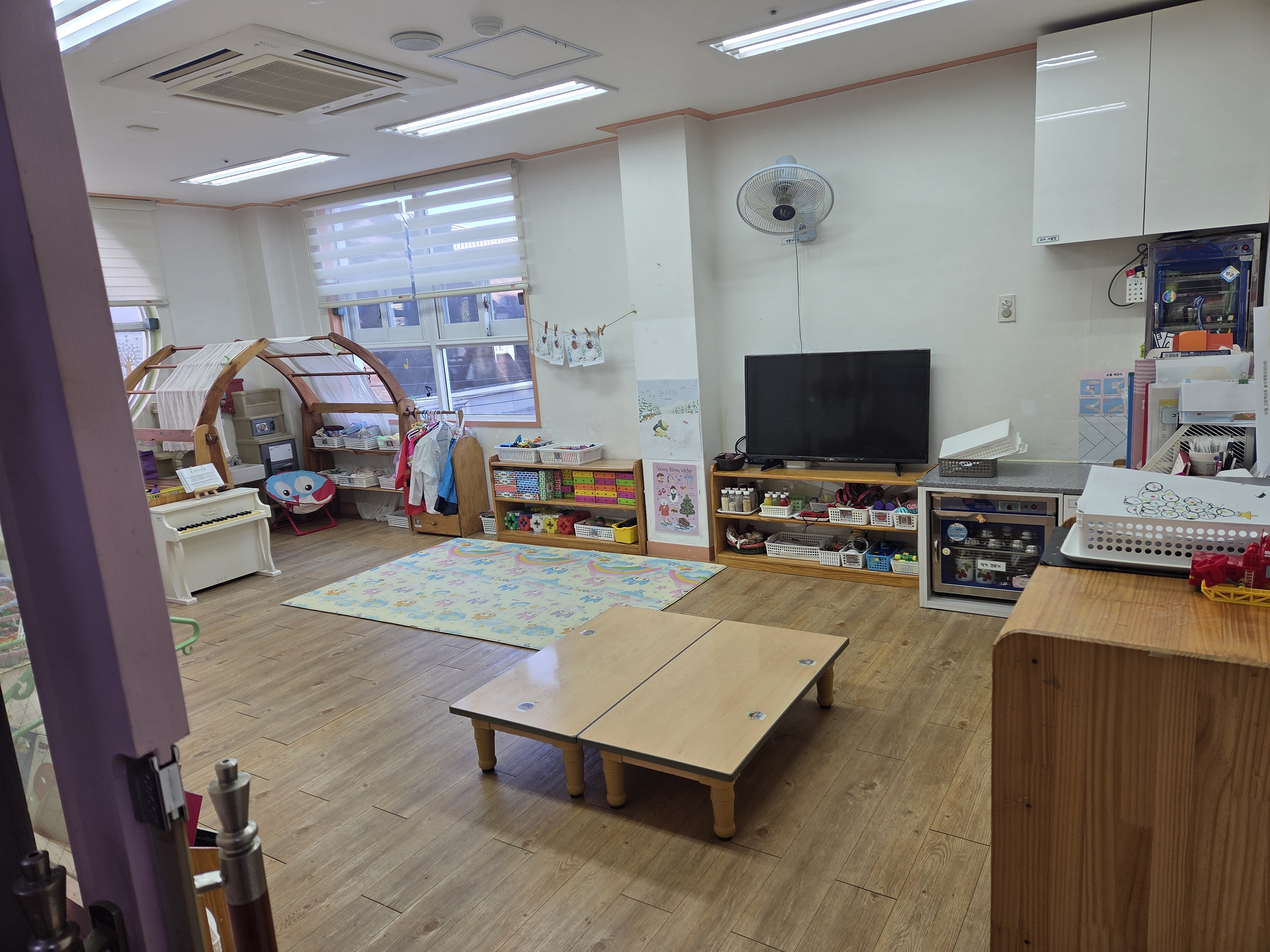
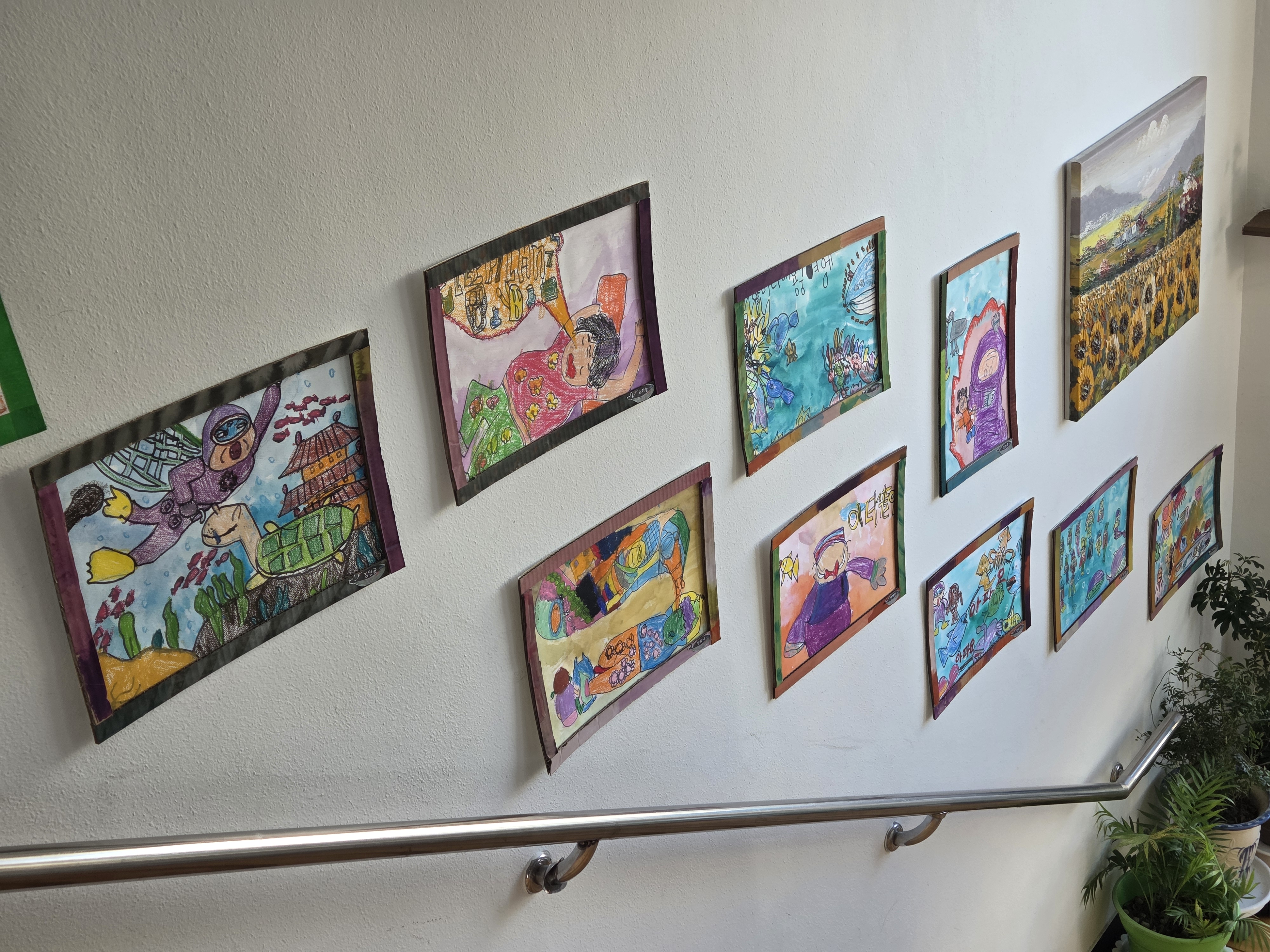
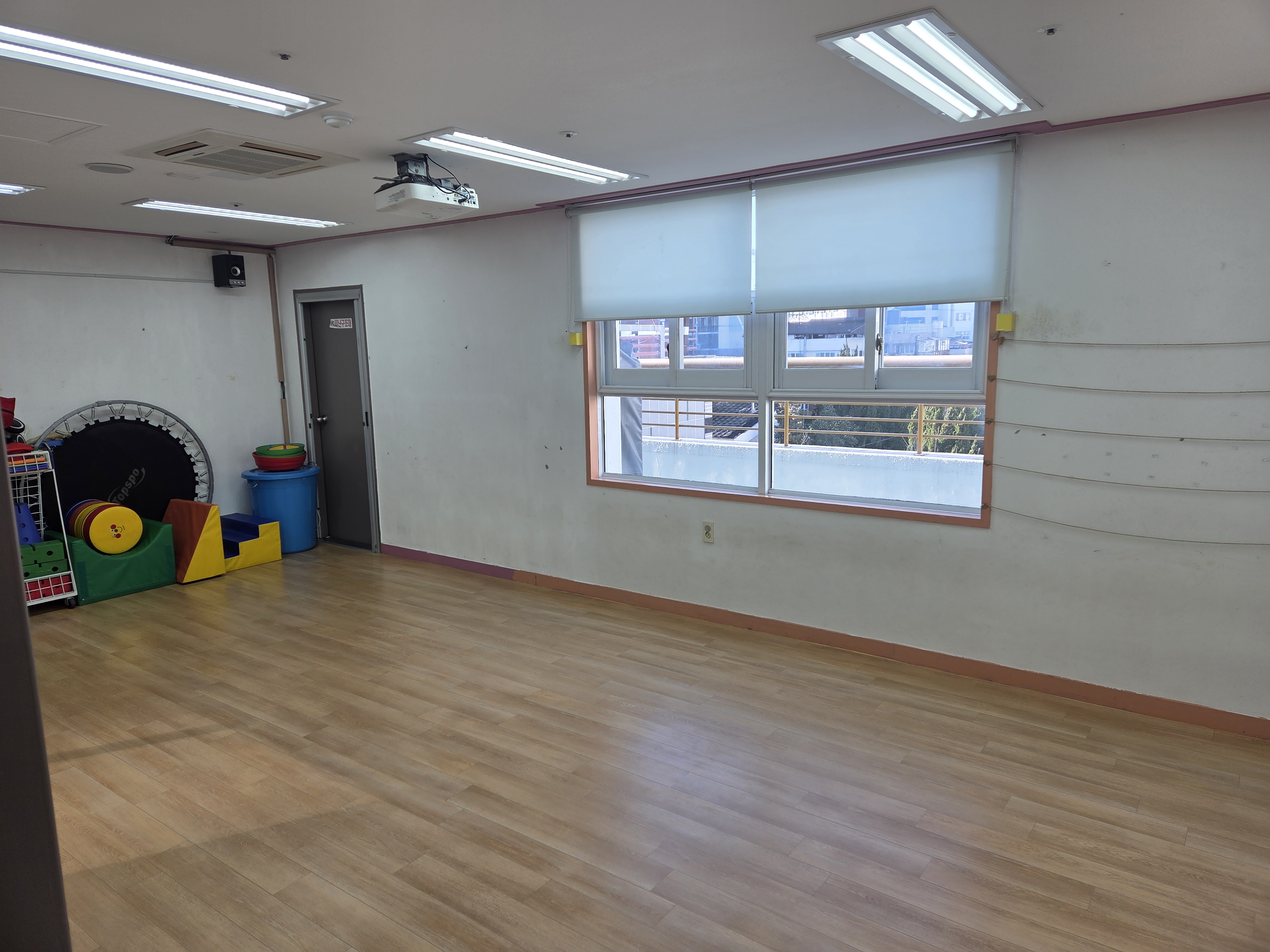
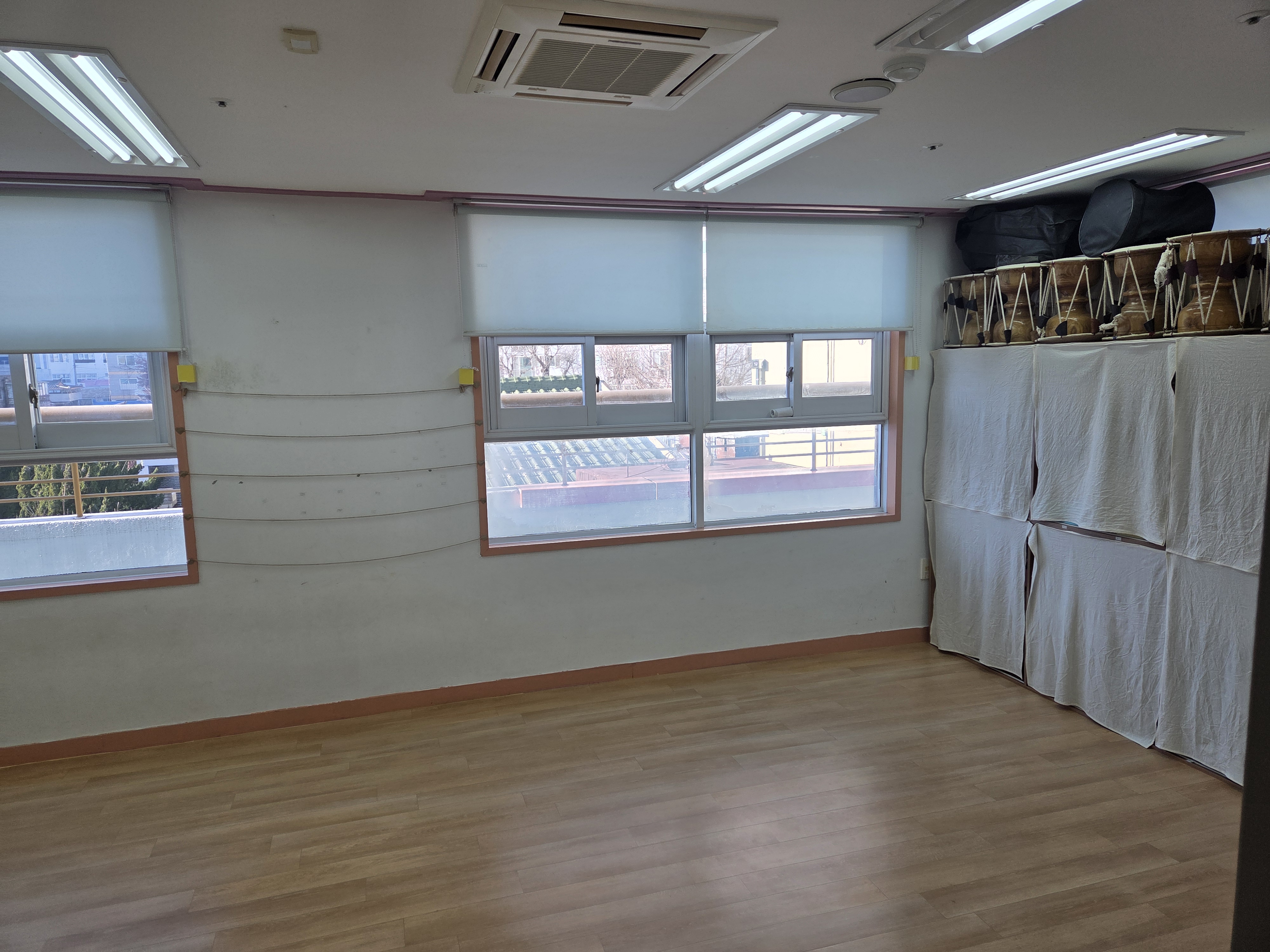
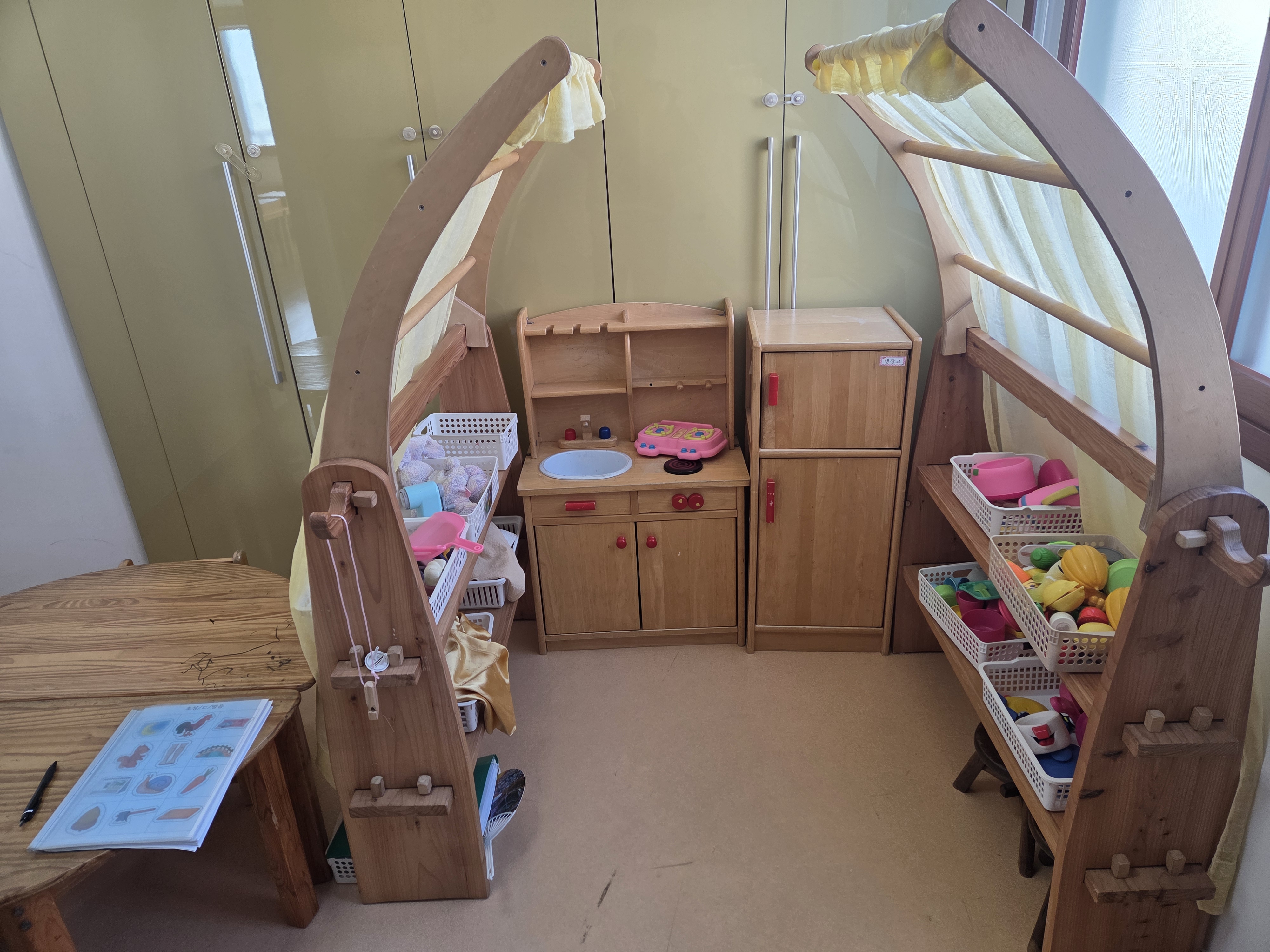
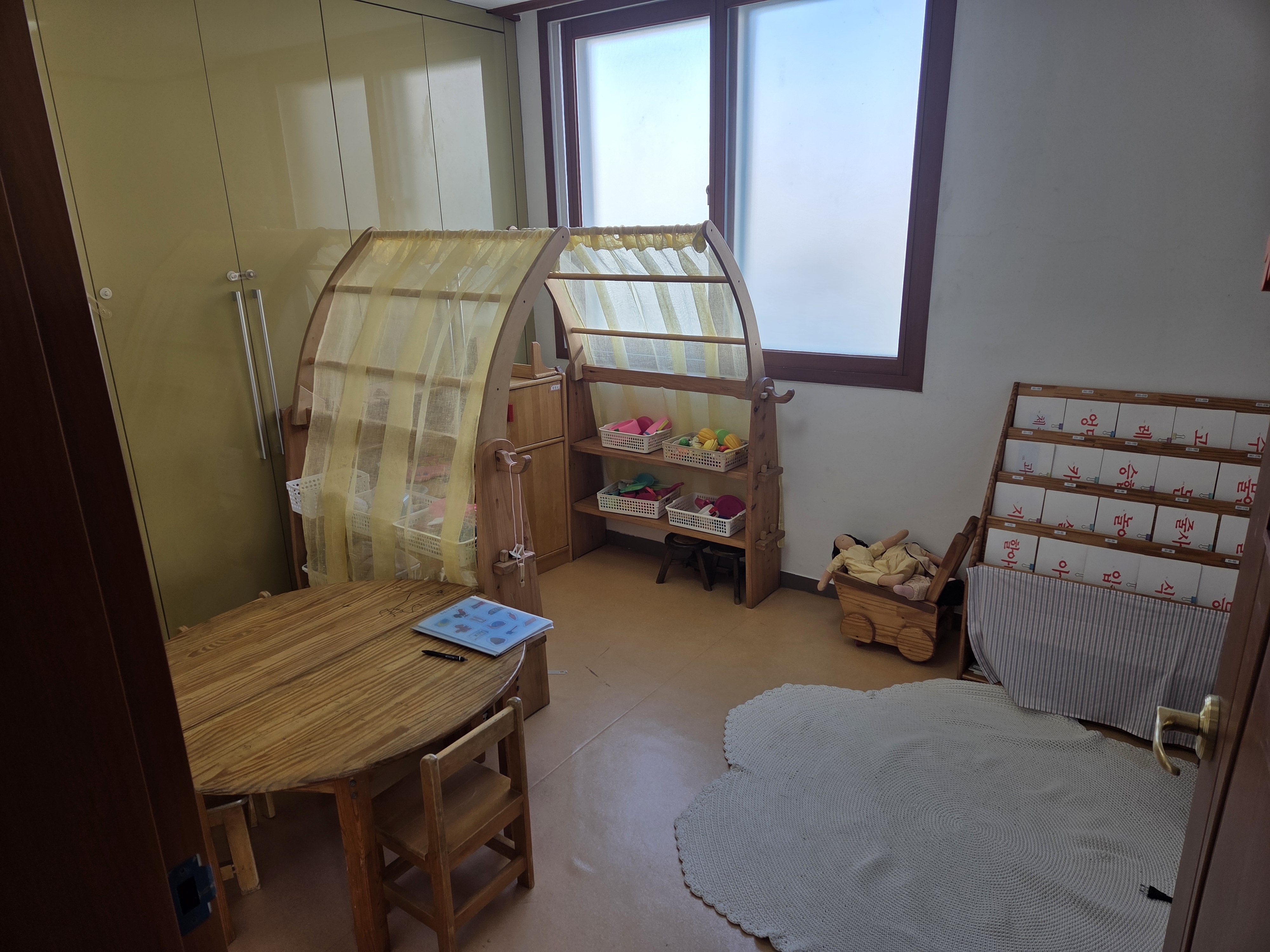
Dear parents, and our little chicks, hello. This is Kim Tae-sook, the director of Byeongari Daycare Center. In this place, as hopeful as the bright eyes of children, we will always be a warm haven where our children can dream to their heart's content and play with joy. At Byeongari Daycare Center, we respect the preciousness of each and every child and do our best to ensure that enjoyable learning takes place in a comfortable and safe environment, just like home. We will be a reliable partner who always communicates with parents and builds trust for the happy growth of our children. Let's create happy memories together at Byeongari Daycare Center, filled with the laughter of our children.
Admission
Admissions Information
Please feel free to contact us anytime. We will kindly assist you.
groups
Capacity
현원 34명 / 정원 35명
event
개원일
1995년 12월 개원 (31년 운영)
school
Staff
16명
meeting_room
보육실
10실 · 총 234㎡
park
놀이터
5개
videocam
CCTV
14대 설치
Announcement
News
We share the daily life and news of our facility.
AI-Powered Teacher Learning Community
AI-Powered Teacher Learning Community
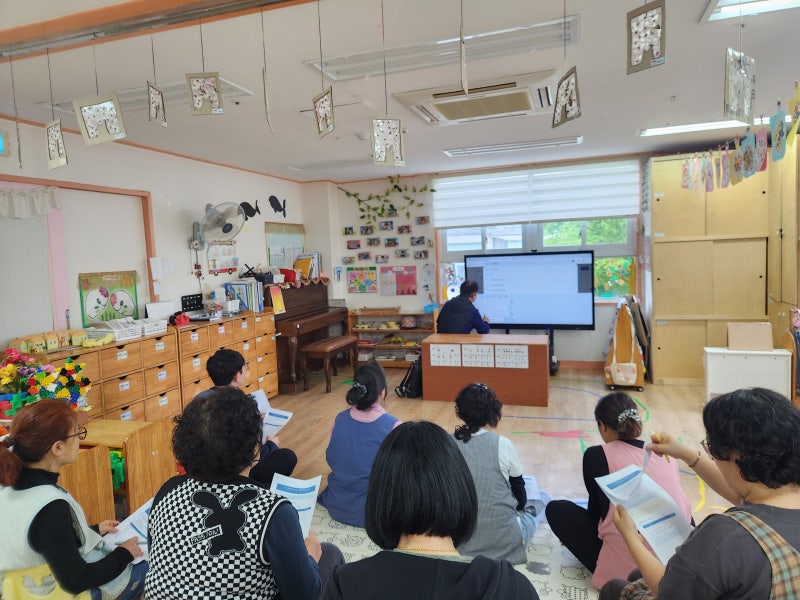
To embrace the rapidly changing digital transformation era and healthily integrate AI into the childcare field while strengthening teachers' future competencies, Byeongari Childcare Center is hosting an [AI Integration in Curriculum Learning Community].
Nam-gu Byeongari Daycare Center: 3 Things Parents Should Carefully Check When Choosing a Public Daycare Center
Nam-gu Byeongari Daycare Center: 3 Things Parents Should Carefully Check When Choosing a Public Daycare Center
Finding a daycare center where you can trust and leave your child is a common wish for all parents. This is especially important for dual-income families.
Nam-gu Byeongari Daycare Center, located in Nam-gu, Daegu, is a public daycare center and is receiving much attention from parents.
However, rather than making a hasty decision based solely on the title of a public daycare center, it is important to carefully check a few key points.
This article aims to present three essential points that parents should know when choosing a public daycare center, including Nam-gu Byeongari Daycare Center, along with data. We will not just list the advantages but also discuss practical considerations along with objective information.
1. Public Daycare Centers: The 'Educational Philosophy' to Carefully Consider
As public daycare centers receive government support, their operating standards are stricter than those of general private daycare centers.
However, not all public daycare centers provide the same quality of education and childcare services.
What's important is the daycare center's 'educational philosophy.' For example, Director Kim Tae-sook of Nam-gu Byeongari Daycare Center is active in the Daegu Metropolitan City Public Daycare Center Association and is focusing on training staff to enhance their capabilities in preparation for the integration of childcare and education.
This is a prime example of continuous efforts to improve the quality of the daycare center.
However, parents should not rely solely on this information but should visit the daycare center in person and confirm the educational philosophy through a meeting with the director. You should ask questions such as whether they aim for customized education that considers the individual characteristics of the children and whether they operate programs for the emotional stability and development of the children, and confirm through their answers.
Simply having good facilities and diverse programs does not guarantee a good daycare center.
You must carefully judge whether the place has an educational philosophy that can positively impact a child's growth and development.
2. 'Teachers' are the Key Variable in Choosing a Daycare Center
No matter how good the facilities and programs are, it is the teachers who ultimately have the greatest impact on the children.
A positive and warm relationship with teachers plays a crucial role in a child's social development and emotional stability.
In the case of Nam-gu Byeongari Daycare Center, it is operated by Director Kim Tae-sook, a childcare expert with extensive experience, and she holds a Level 1 Childcare Teacher qualification.
This is one indicator of the daycare center's professionalism. However, experience and qualifications alone cannot reveal a teacher's sincerity.
For example, it is important to observe firsthand how teachers communicate with children and how attentively they listen to the children's small stories when visiting the daycare center.
A teacher who laughs and talks with children at their eye level, and a teacher who offers warm encouragement to a child facing difficulties, can truly be called a teacher who loves children.
Furthermore, teacher retention rates are also an important consideration.
A high teacher turnover rate means that the working environment is not good, which can negatively affect the children's stable adaptation.
3. Public Daycare Center Support: The Realistic 'Cost' Issue
Public daycare centers have the advantage of being available at a lower cost than general private daycare centers through government support.
However, not all costs are free. There may be additional expenses such as meal fees, special activity fees, and transportation fees.
Also, since support funds for public daycare centers can vary depending on income level, it is important to confirm the exact costs before enrollment.
For example, you should inquire directly with the daycare center or relevant institutions to confirm the exact amount of support and additional costs.
It is also advisable to compare costs with other public daycare centers in the vicinity to make a reasonable choice.
Cost is an important consideration, but rather than simply choosing the cheapest option, it is important to consider the quality of education and childcare services.
2026 Childcare Support Summary (Parent Benefit, Child Allowance, etc.)
[Notice] 2026 Childcare Support Summary (Parent Benefit, Child Allowance, etc.)
Hello! A new year, 2026, has arrived.
For parents raising children, one of the most important pieces of information is government support programs.
This year, as part of low birthrate countermeasures, there are many significant changes, such as the expansion of the child allowance age and an increase in the upper limit of parental leave benefits.
Here is a summary of key childcare support benefits, including the parent benefit, child allowance, and first meeting voucher, as of 2026, presented in an easy-to-understand format.
1. Parent Benefit (Ages 0-1)
The parent benefit is an allowance paid to compensate for income loss due to childbirth and child-rearing. The increased amount from 2024 will be maintained stably in 2026.
Eligibility: Children aged 0 (0-11 months) and 1 (12-23 months)
Benefit Amount:
Age 0: 1,000,000 KRW per month
Age 1: 500,000 KRW per month
Note: When using a daycare center, it is deducted from the childcare voucher, and any remaining amount is paid in cash.
2. Child Allowance (Expanded Eligibility Age! 📢)
The most noticeable change in 2026 is the expansion of the eligibility age. It has been extended one step further from under 8 years old.
Eligibility: All children from 0 months to under 9 years old (0-107 months)
Benefit Amount: 100,000 KRW per month
Additional Benefits by Region: Starting in 2026, if you reside in a non-metropolitan area or a depopulated area, an additional 30,000 KRW may be provided by the local government, so be sure to check your local government's announcements.
Features: Universally provided regardless of parents' income or assets.
3. First Meeting Voucher (Birth Support Fund)
This is a voucher provided to celebrate the first meeting with your child.
First child: 2,000,000 KRW
Second child or more: 3,000,000 KRW
Usage: Postpartum care centers, purchase of baby products, etc. (Available at all businesses except for adult entertainment establishments).
Usage Period: Within 2 years from the child's birth date (extended from the previous 1 year).
4. Parental Leave and Reduced Working Hours Benefits (Increased! 📈)
In 2026, benefit levels have been adjusted to support work-life balance.
Parental Leave Benefit: The upper limit has been increased, providing more substantial support even after the first 3 months.
6+6 Parental Leave System: If parents with children under 18 months take leave simultaneously or sequentially, they can receive benefits of up to 45 million KRW combined for the first 6 months.
Reduced Working Hours During Child-rearing Period: The upper limit of the benefit has been increased from 2.2 million KRW to 2.5 million KRW.
💡 2026 Childcare Support Summary Table
Category
Eligibility
Benefit Details
Parent Benefit
Ages 0-1
Age 0: 1,000,000 KRW / Age 1: 500,000 KRW
Child Allowance
Under 9 years old
100,000 KRW per month (+ potential regional supplement)
First Meeting Voucher
Newborn child
1st child: 2,000,000 KRW / 2nd child or more: 3,000,000 KRW
Childcare Support
Below 250% of the median income
Increased government support ratio and hours
📌 How to Apply
Most childcare support benefits can be easily applied for online through the 'Bokjiro' website or **'Government24'**. When registering the birth, you can apply for the child allowance, parent benefit, etc., all at once using the **'Happy Childbirth One-Stop Service'**, so don't forget to take advantage of it!
Link to Bokjiro:
In 2026, the period for receiving child allowance benefits will be extended, which is expected to slightly ease the burden for parents of children in the early elementary grades. Please check the support details carefully to ensure you don't miss out on any benefits!
Peace of Mind Parenting: A Complete Guide to Daycare Consultations: Building a Collaborative Partnership Between Parents and Teachers
Peace of Mind Parenting: A Complete Guide to Daycare Consultations: Building a Collaborative Partnership Between Parents and Teachers
Choosing a daycare center where you can trust and leave your child is a crucial task for all parents. A daycare consultation is more than just a time to tour the facilities and ask questions; it's the first step in building a collaborative partnership between parents and teachers for the child's growth and development. The information obtained through consultation is essential for helping the child adapt and for creating a consistent upbringing environment between home and the daycare center. From the perspective of an observer following trends, this guide presents ways to achieve peace of mind parenting by effectively utilizing daycare consultations.
Preparation Before Consultation: Understanding Our Child
Successful consultation requires a deep understanding of the child beforehand. It's important to identify and organize the child's temperament, developmental stage, likes and dislikes, and any special needs. For example, it's good to keep detailed records of whether the child has difficulty adapting to new environments, has allergies to certain foods, or what their favorite play activities are. This information serves as crucial data for introducing the child to the teacher during the consultation and for developing a customized childcare plan. Additionally, preparing a list of questions about what you've been curious about or concerned about regarding your child beforehand will help you utilize the consultation time efficiently.
Question Strategy During Consultation: Obtaining Information Through Key Questions
During the consultation, you should ask about various aspects such as the daycare center's operating methods, educational philosophy, teacher qualifications, and safety management systems. You need to thoroughly check if they provide educational programs suitable for the child's developmental stage, if the teacher-to-child ratio is appropriate, and what the procedures are in case of an emergency. Also, important questions include whether they have programs to foster the child's social development and activities to support peer relationship building, and whether they use educational methods that boost the child's self-esteem through positive reinforcement. Don't forget to check if there is a support system in place to meet the child's individual needs.
Communication After Consultation: Maintaining a Continuous Collaborative Relationship
Consultation is not a one-time event but the beginning of communication that should continue throughout the child's growth process. After the consultation, it's important to maintain regular contact with the teacher, share information about the child's daycare life, and ensure consistency between parenting methods at home and educational methods at the daycare center. Utilizing platforms like Kid's Note or notification slips to share photos of the child's activities or observation records, and discussing behavioral issues or specific concerns via phone or meeting when necessary, is beneficial. For example, if a child is experiencing difficulties in their relationship with a particular friend, it's good to explore solutions with the teacher and provide encouragement and support to the child at home.
Maintaining a Positive Attitude: The Key to Building Trust
The most important aspect during the consultation process is building trust between parents and teachers. You should maintain a positive and cooperative attitude, respect the teacher's professionalism, and treat the teacher as a partner working together for the child's growth. A critical or defensive attitude can hinder communication and impede the formation of a trusting relationship. It's necessary to listen to the teacher's opinions, try to understand each other's perspectives, and adopt an attitude of seeking the best methods for the child's growth together.
Daycare consultations are an investment in the child's happy growth and development. Based on the information obtained through consultation, you should provide the most suitable daycare environment for the child and, through close cooperation with the teachers, support the child in reaching their full potential. Peace of mind parenting, built together by parents and teachers through daycare consultations, will serve as a solid foundation for the child's bright future.
#DaycareConsultation, #CurrentStudentConsultation, #NewStudentConsultation, #ConsultationQuestions, #ParentAttitude, #ParentingPartner, #DaycareAdaptation, #CollaborativePartnership, #PeaceOfMindParenting, #InfantEducation
A to Z Guide for Preparing Your Child's First Day at Daycare: Tips to Reduce Trial and Error
A to Z Guide for Preparing Your Child's First Day at Daycare: Tips to Reduce Trial and Error
The start of a child's first social life is none other than attending daycare! Like many parents, I found myself wondering, 'What and how should I prepare?' when the time came. While the desire to prepare perfectly is strong, reality is full of unexpected variables. That's why today, based on my own trial and error, I've prepared a guide for your child's first day at daycare to help you reduce mistakes. Let's learn together with the heart of a mother who learns from mistakes, rather than aiming for perfect preparation!
1. Managing Your Emotions: Preventing Mom's Anxiety from Affecting Your Child
The first day of daycare can be more nerve-wracking for the mom than the child! I was the same. 'What if they cry?', 'Will they eat well?', 'Will they get along with friends?' All sorts of worries filled my mind. However, an anxious mother's feelings are directly transmitted to the child! The child can sense anxiety from the mother's facial expressions, tone of voice, and actions, and become even more withdrawn.
Trial and Error Experience: On the first day of daycare, I took my child to the center with a tense expression. As we parted, I forced a smile and said, "Have fun!" but my child seemed to sense my anxious gaze and cried more intensely than usual.
Solution: First, try to relax your mind. It's important to have faith that your child will adapt well to daycare and to prepare for the day with a positive mindset. For example, talking positively about daycare with your child or reading picture books about daycare life can be good methods. Also, consistent communication with the daycare teacher to understand your child's adaptation status and receive necessary support is important.
2. Cultivating Daily Habits: Regular Routines are the First Step to Adaptation
Daycare centers operate according to a set schedule. Therefore, to help your child adapt well to daycare life, it's important to cultivate regular daily habits. In particular, maintaining consistent wake-up times, meal times, and nap times is helpful.
Trial and Error Experience: Trying to get my child, who usually slept in, up early suddenly turned into a morning battle every day. The preparation for daycare became even more difficult due to the child's fussiness and refusal to eat properly.
Solution: Gradually adjust your child's sleep and wake patterns starting at least two weeks before daycare begins. Start by advancing wake-up and meal times by 30 minutes and gradually align them with the daycare's schedule. Giving your child a warm bath before bed or playing calming music can also aid in sleep. During meal times, prepare the child's favorite dishes and create a pleasant atmosphere by sitting together at the table.
3. Nurturing Social Skills: Preparing for Fun Encounters with Peers
Daycare is where a child first lives with peers. Therefore, it's important to foster social skills so that the child can build positive relationships with friends. It's good to create opportunities for the child to play with friends at home or help them naturally interact with other children at the playground.
Trial and Error Experience: My child, who was shy around strangers, was sent to daycare and seemed lonely, unable to approach friends easily. The teacher mentioned that the child only read books during breaks.
Solution: Provide various experiences for your child to build positive relationships with peers. For example, going to a nearby playground to play with other children or inviting friends over to spend time together are good options. Role-playing games can also help teach children how to communicate and cooperate with friends. The important thing is to let the child experience the joy of being with others.
4. Preparing Supplies: Thoroughness Leads to a Comfortable Daycare Experience
Carefully preparing the necessary supplies for daycare is an essential condition for a child's comfortable daycare experience. It's important to check the list of required items beforehand and...
Boost Creativity! Play Activity Ideas You Can Do at Home
Boost Creativity! Play Activity Ideas You Can Do at Home
Spending time with your child at home can be both enjoyable and challenging, especially on days with unfavorable weather or circumstances that limit outdoor activities. But don't worry! With a little creativity and a bit of preparation, you can enjoy a variety of play activities at home that stimulate your child's creativity and imagination. In this article, we'll introduce play activity ideas that you can enjoy with your child using readily available household materials. Let's start now with fun activities that won't break the bank and will also contribute to your child's developmental growth!
The World of Play with Books: Stimulating the Five Senses
Going beyond simply reading books, linking play to the book's content can enhance a child's engagement and comprehension. For example, after reading a favorite animal picture book, you can create masks of those animals. Or, reading a book about cooking and then doing a simple cooking activity together is also a great idea.
The key here is to encourage the child's active participation in the play process. When the child colors and decorates their own mask or handles and mixes ingredients while cooking, they experience joy and express their creativity. Transforming indirect experiences gained from books into direct experiences through play has a positive impact on a child's development.
Unleash Imagination! The Infinite Transformation of Cardboard Boxes
Cardboard boxes, commonly found at home, can be used to create endless play opportunities. A large cardboard box can become a cozy 'my own house' for the child, while smaller boxes can be stacked like blocks to build a magnificent castle. Decorating the cardboard box by drawing or attaching colored paper enhances the child's artistic sense.
If your child loves cars, you can cut out a car shape from a cardboard box and draw wheels to create a special car just for them. Adding a steering wheel or horn made from scrap materials can make the car even more realistic. Cardboard box play stimulates a child's imagination and creativity while also instilling an awareness of environmental protection through recycling.
Get Moving! Exciting Physical Play
You can enjoy exciting physical play even indoors. Using cushions or pillows, you can create an obstacle course and have your child jump over or crawl through it. Adding elements like timing or a competition for who finishes the course fastest will make the child more engaged and enthusiastic.
Alternatively, you can play music and let your child dance freely or follow simple dance moves. Moving their bodies to upbeat music helps relieve stress and improves rhythm and motor skills. Indoor physical play allows for active time even in limited spaces.
Best Value! Tips for Using Household Materials
The biggest advantage of playing at home is that you can have a lot of fun with minimal cost. You can mix flour and water to make dough and create various shapes with your child. Adding food coloring to the dough can make the play even more engaging for the child.
Alternatively, you can take out clothes from the closet and have a fashion show, or roll up towels to make pillows for a throwing game. What's important isn't expensive toys or materials, but the parent's attention and love spent with the child. With a little imagination and effort, you can create unforgettable memories for your child at home.
Play: More Than Just a Game
Play activities with your child at home are not just a way to pass the time but educational activities that significantly impact a child's development. Through play, children can develop various skills such as creativity, imagination, problem-solving, social skills, and emotional regulation. Furthermore, the parent's...